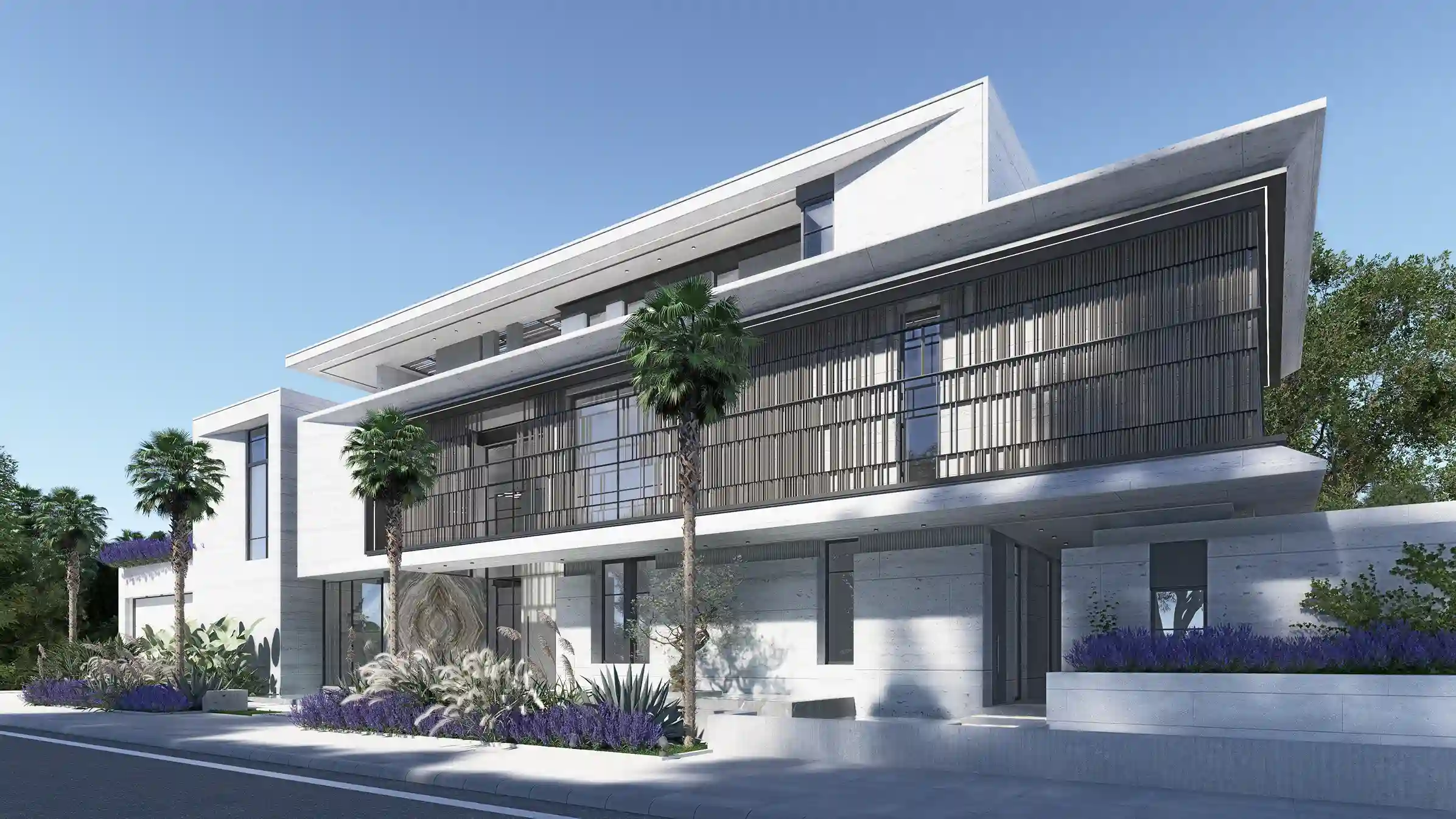
Interior design in the UAE has matured considerably over the past decade. The early years of Dubai’s residential boom were defined by imported European styles applied wholesale to Gulf living conditions. Today’s most accomplished UAE interiors are fundamentally different: they are genuinely responsive to local culture, the extreme climate, the specific patterns of family life in the region, and the growing sophistication of a client base that has been exposed to the best interiors in the world.
In 2025, a new generation of interior design ideas is defining how homes and offices are conceived across the Emirates. This guide explores the approaches, aesthetics, and practical strategies that are delivering the most compelling results for residential and commercial clients in Dubai, Abu Dhabi, and the wider UAE.
| Key Stat: The UAE interior design market is projected to grow at a CAGR of 6.2% through 2028, driven by the luxury residential sector, hospitality expansion, and post-pandemic office redesign demand. |
1. Warm Minimalism: The Defining Residential Aesthetic
Warm minimalism is the most influential interior design direction in premium UAE homes in 2025. This approach applies the spatial discipline of minimalism, clean lines, uncluttered surfaces, and carefully considered volumes, while avoiding the coldness that pure minimalism can produce by introducing warmth through natural material selection and a palette drawn from the UAE landscape.
- Natural stone is the defining surface material in premium UAE Travertine in warm ivory and honey tones dominates floor treatments. Nero Marquina black marble provides contrast in bathroom and feature wall applications. Saudi desert limestone is increasingly used for its distinctive sandy grain.
- Timber in amber, honey, and warm oak tones is used extensively for cabinetry, wall panelling, and furniture. The contrast of warm wood grain against cool stone is one of the signature combinations of UAE warm minimalism.
- Plaster walls with subtle texture and matte finishes have replaced high-gloss Roman clay plasters, micro-cement, and tadelakt finishes bring a tactile richness that reads beautifully in both direct and indirect lighting.
- Colour palettes are anchored in sand, caramel, warm ivory, and muted terracotta, all colours drawn from the UAE landscape and climatically appropriate in their psychological warmth.
2. Biophilic Elements That Respond to UAE Living Conditions
The biophilic design movement has found particularly fertile ground in the UAE, where summers that exceed 45 degrees Celsius make sustained outdoor living impossible for months at a time. Interior design that brings nature inside addresses a genuine psychological need, restoring the connection to natural environments that the climate restricts.
- Statement indoor trees, including olive trees, ficus varieties, and architectural palms, are now a feature of premium villa lobbies, double-height living spaces, and internal courtyards.
- Wall-mounted planted systems with integrated irrigation are standard in premium residential and commercial projects across Dubai and Abu Dhabi.
- Natural fibre rugs in jute, sisal, and wool introduce organic texture at floor level, softening the hardness of stone flooring without compromising the minimalist aesthetic.
- Indoor water features, wall-mounted or integrated into floor level, provide the psychological cooling and calming effect of water within the built environment.
3. Arabic-Inspired Interiors Done with Intelligence
The most accomplished interior design studios in the UAE are finding ways to honour Arabic cultural traditions within contemporary interiors in ways that feel authentic and considered rather than superficial. The difference between genuinely culturally intelligent design and tokenistic decoration is significant, and discerning UAE clients increasingly recognise and reward the former.
- The majlis, the traditional Arabic guest reception room, is being reinterpreted in contemporary villa design as a low-seating lounge space with custom cushioned seating, rich textile layering, and warm indirect
- Islamic geometric patterns applied through custom joinery, metalwork, plasterwork, or tile create depth and cultural reference without resorting to mass-produced ornament.
- Traditional craft techniques, including hand-woven textiles, handmade ceramic vessels, and bespoke metalwork by regional artisans, introduce authenticity and uniqueness that mass-produced furniture cannot
| Key Stat: A 2024 survey by Knight Frank found that 74% of high-net-worth property buyers in the UAE place interior design quality among the top three factors influencing their purchase decision. |
4. Flexible Office Design for the Modern UAE Workplace
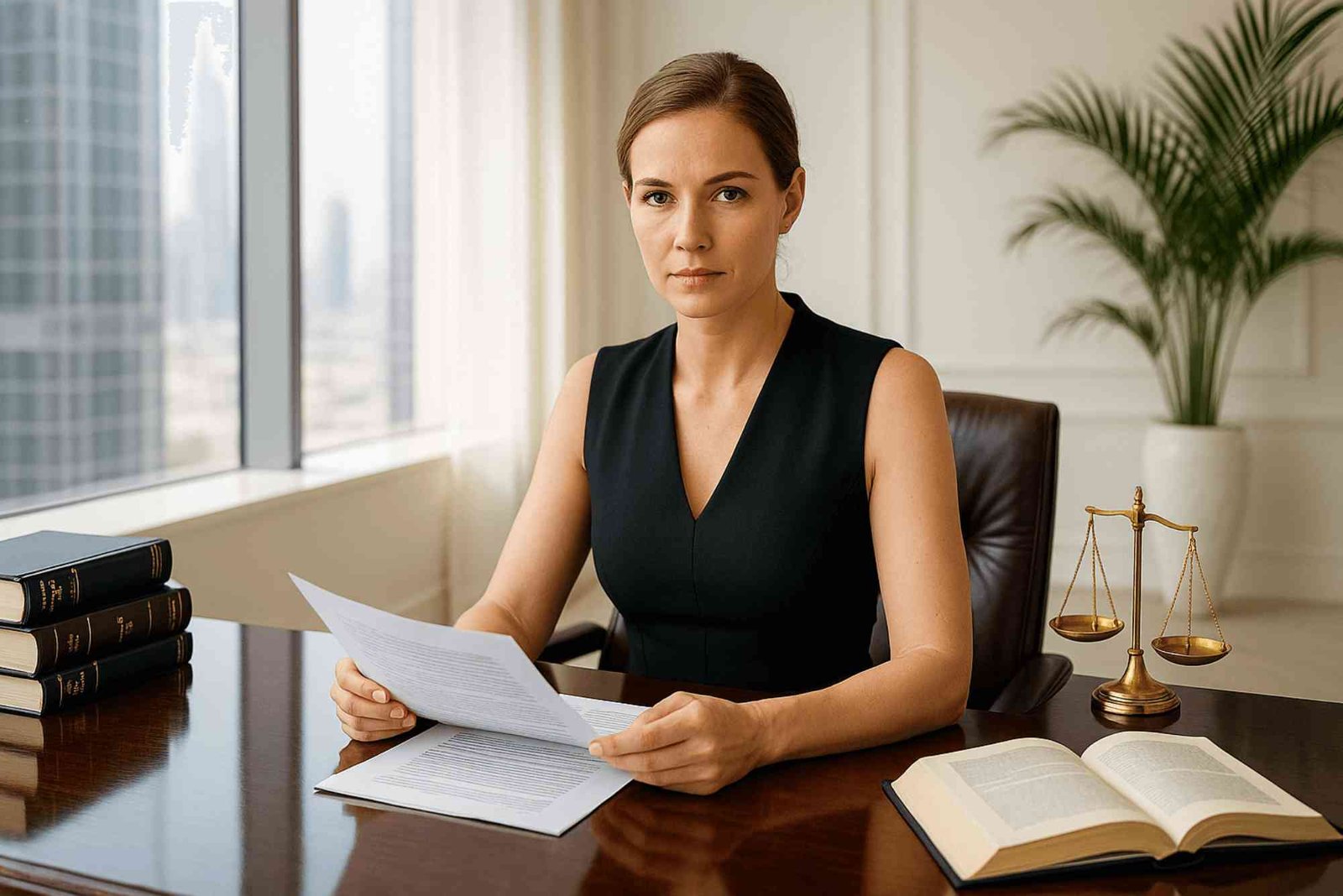
UAE office design has undergone a fundamental transformation since 2021. The post-pandemic reassessment of how and why people come to an office has produced a more nuanced approach to workplace interior design in Dubai and Abu Dhabi. The open-plan office floor of the 2010s, uniform rows of desks in an undifferentiated space, has given way to a richer model that provides a variety of settings calibrated to different types of work.
- Activity-based working (ABW) layouts provide focused individual work zones, informal collaboration areas, formal meeting rooms, social and refreshment spaces, and quiet focus pods within a single floor, allowing employees to choose the right environment for each task.
- Acoustic design is now a primary brief requirement, with sound-absorbing ceiling systems, strategic furniture placement, and material specification all contributing to an environment that supports
- Hospitality-grade reception and communal areas are replacing the traditional corporate Companies in the DIFC, Dubai Design District, and One Central business districts are investing in reception environments that match the quality of the best hotel lobbies.
- Biophilic elements are proven to improve employee wellbeing and measured productivity. Planted walls, maximised natural daylight, views to outdoor spaces, and natural material finishes are standard expectations in forward-thinking UAE office design briefs.
5. Lighting Design as a Primary Interior Instrument
Sophisticated interior design in the UAE increasingly treats lighting as an architectural element with the same importance as any surface material or piece of furniture. Layered lighting strategies that combine ambient, task, accent, and decorative light sources, controlled through programmable scenes and smart systems, allow interiors to transition from productive daytime environments to warm, atmospheric evening settings with a single command.
In luxury residential projects in Palm Jumeirah, Jumeirah Bay Island, and Tilal Al Ghaf, lighting design is now routinely specified by dedicated lighting designers working alongside the interior design studio from the earliest stages of the project. The result is interiors where the quality of light is as carefully considered as the quality of the stone or timber finishes.
6. Smart Home Integration Within Interior Design
Premium interior design in the UAE now routinely incorporates smart home technology as an integral element of the design rather than an afterthought. The best results are achieved when the interior designer and the technology consultant work together from the initial design stage, ensuring that all cabling, sensors, speakers, and control panels are concealed within the fabric of the interior and that the technology enhances the design rather than competing with it.
Frequently Asked Questions
Q: What interior design style is most popular in UAE homes in 2025?
A: Warm minimalism is the dominant residential interior design style in premium UAE homes in 2025. This combines clean architectural lines and uncluttered spatial compositions with warm natural materials, textured wall finishes, and a colour palette inspired by the desert landscape. It represents a deliberate and widely shared move away from the heavily ornamented or overly formal styles that defined UAE interiors in the previous decade.
Q: How much does interior design cost in the UAE?
A: Interior design fees in the UAE vary significantly based on project scope and the profile of the studio. For premium residential projects, expect design fees in the range of AED 150 to AED 400 per square metre. Total fit-out costs for luxury villa projects typically range from AED 1,500 to AED 5,000 per square metre depending on the specification level, material selections, and extent of bespoke joinery and furniture.
Q: What are the best materials for interior design in the UAE climate?
A: For UAE conditions, natural stone, particularly travertine and marble, performs well due to its thermal mass and durability. Solid timber and high-quality timber veneers are valued for warmth and texture but should be specified with appropriate moisture resistance for coastal locations. Brushed metals in brass, bronze, and stainless steel finish are preferred over chrome, which shows wear more visibly. Natural fibre textiles in wool, linen, and cotton perform better than synthetics in the UAE’s air-conditioned environments.
Q: How do UAE interior designers create privacy in open-plan residential layouts?
A: Privacy is a foundational cultural requirement in UAE residential interior design. Designers address this through carefully considered spatial planning that separates formal guest reception areas from private family living spaces, the design of the majlis as a dedicated and enclosed guest area, and the use of joinery screens,
level changes, and material transitions to define zones without requiring full-height walls throughout the living areas.
Conclusion
The best interior design UAE work in 2025 is defined by a genuine maturity: an understanding that exceptional interiors serve the specific lives of the people who use them, respond to the climate and culture of the region, and achieve their aesthetic goals through quality of material and craft. Whether you are approaching a family villa in Dubai Hills Estate or a corporate headquarters in DIFC, these principles provide a foundation for an interior that will remain compelling long after trends have moved on. Explore the full range of services at this interior design and architecture studio and see how design intelligence translates into extraordinary built results.