
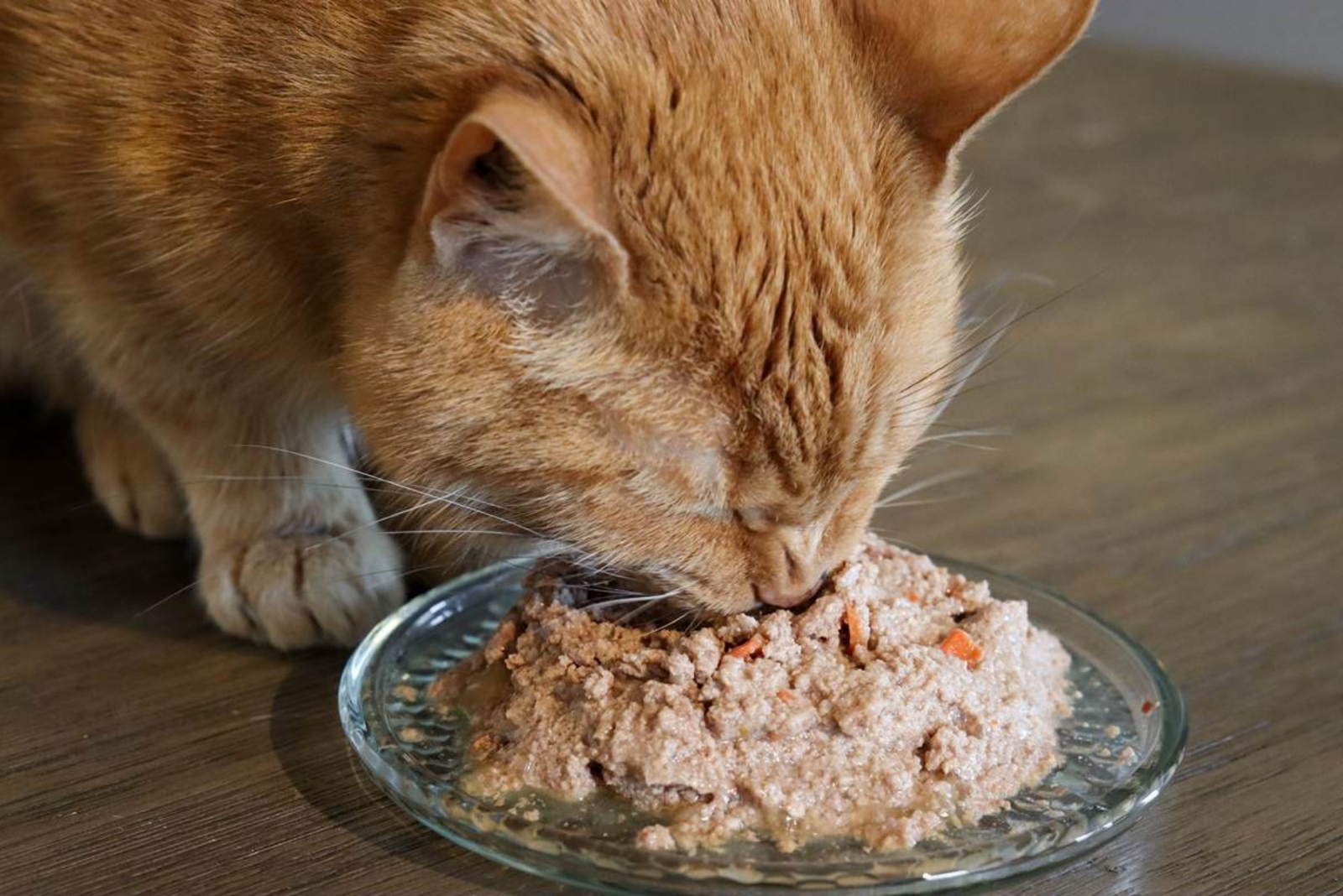
Best Wet Food for Senior Cats with Kidney Disease and Sensitive Stomachs
Finding the Best Wet Food for Senior Cats with Kidney Disease and Sensitive Stomachs can be challenging. Senior cats often develop chronic kidney disease, digestive sensitivity, reduced appetite, or several issues at once. Choosing the right food therefore requires more than simply selecting a senior cat formula.
A suitable wet food should support kidney health while remaining gentle on digestion. It should also provide enough calories to help maintain healthy body weight and muscle. Most importantly, the food should be appealing enough for an older cat to eat consistently.
Veterinary therapeutic renal diets are commonly formulated with controlled phosphorus, modified protein, reduced sodium, and other nutritional adjustments. Wet versions can also provide valuable moisture for cats with chronic kidney disease.
However, every cat is different. Kidney disease has several stages, and digestive problems can vary considerably. Therefore, your veterinarian should help determine which nutritional profile best suits your cat.
Why Wet Food Matters for Senior Cats With Kidney Disease
Hydration is one of the most important considerations when feeding a senior cat with kidney disease. Healthy kidneys concentrate urine efficiently. Diseased kidneys often lose some of this ability.
As a result, cats with chronic kidney disease may produce more dilute urine. They can also lose more water through urination. This makes maintaining adequate hydration particularly important.


Wet food contains considerably more moisture than conventional dry food. Therefore, a suitable canned or pouch-based renal diet can help increase daily water intake.
The Best Wet Food for Senior Cats with Kidney Disease and Sensitive Stomachs should therefore combine appropriate kidney nutrition with good moisture content.
Wet food may also be easier for some senior cats to eat. Cats with dental problems, reduced appetite, or general age-related changes may prefer softer textures.
What Makes the Best Wet Food for Senior Cats with Kidney Disease and Sensitive Stomachs?
The ideal food needs to balance several nutritional priorities. Kidney support should remain the primary consideration when CKD has been diagnosed.
Controlled Phosphorus
Phosphorus restriction is one of the most important nutritional features of a feline renal diet. Reduced phosphorus intake can help manage mineral balance and may slow CKD progression.
IRIS recommends considering renal diets for cats with appropriate stages of CKD. These diets are specifically designed to reduce phosphorus while maintaining adequate nutrition.
For this reason, ordinary senior cat food should not automatically replace a veterinary renal diet.
A food can be marketed as “senior,” “sensitive,” or “natural” without having the phosphorus profile needed for CKD management.
Moderate, High-Quality Protein
Protein requires careful consideration. Cats naturally need protein, and excessive restriction can contribute to nutritional problems.
However, kidney diets generally contain modified amounts of high-quality protein. The goal is not simply to eliminate protein. Instead, the diet should provide appropriate amino acids while reducing unnecessary metabolic waste.
This is especially important for older cats because maintaining muscle mass matters.
Your veterinarian may therefore recommend a specific renal formula based on your cat’s kidney stage, weight, appetite, and bloodwork.
High Moisture Content
Moisture is another major advantage of wet food. Cats with CKD may have increased water requirements because their kidneys cannot concentrate urine normally.
Adding wet renal food can encourage fluid intake without requiring the cat to drink large amounts from a bowl.
Fresh drinking water should still be available at all times.
Gentle Digestibility
Sensitive stomachs introduce another challenge. Some cats experience nausea, vomiting, appetite changes, constipation, or other digestive issues alongside kidney disease.
A highly digestible food with a texture your cat accepts may be easier to tolerate. However, “sensitive stomach” formulas are not necessarily appropriate for CKD.
The kidney-friendly nutritional profile should come first when CKD is confirmed. Digestibility and palatability should then help determine which renal product works best.
Best Wet Food for Senior Cats with Kidney Disease and Sensitive Stomachs: What to Look For
Choosing the right product becomes easier when you understand the label and your veterinarian’s recommendations.
| Nutritional Feature | Why It Matters for Senior Cats With CKD |
|---|---|
| High moisture | Supports hydration and increases water intake |
| Controlled phosphorus | Helps manage phosphorus balance |
| Modified protein | Helps reduce metabolic waste while providing essential amino acids |
| Appropriate calories | Helps maintain body weight and energy |
| Omega-3 fatty acids | Commonly included in renal diets for kidney support |
| Controlled sodium | Supports appropriate mineral and fluid management |
| Appropriate potassium | Helps address potassium needs in CKD cats |
| Good digestibility | May be easier for cats with sensitive stomachs |
| Appealing texture | Encourages consistent food intake |
| Veterinary renal formulation | Provides nutritional adjustments specifically designed for CKD |
Commercial veterinary renal diets commonly include several of these nutritional modifications together.
Prescription Renal Wet Food Versus Regular Senior Cat Food
This is an important distinction for cat owners.
Regular senior cat food is designed around the nutritional needs of aging cats. It may contain appropriate calories, vitamins, minerals, and protein for healthy senior animals.
A renal diet is different. It is specifically formulated to address nutritional challenges associated with chronic kidney disease.
Veterinary sources commonly identify reduced phosphorus, modified protein, and controlled sodium as important features of kidney-support diets. Some formulas also provide increased omega-3 fatty acids, potassium, antioxidants, and B vitamins.
Therefore, a healthy senior formula is not automatically the Best Wet Food for Senior Cats with Kidney Disease and Sensitive Stomachs.
If your cat has confirmed CKD, ask your veterinarian whether a therapeutic renal diet is appropriate.
How Sensitive Stomachs Change Food Selection
Kidney disease and digestive sensitivity can create a difficult feeding cycle.
A cat may need a renal diet but dislike its taste. Another cat may initially accept it but develop nausea or digestive discomfort. Some cats simply become more selective as they age.
The solution is usually patience rather than frequent food changes.
Veterinary guidance recommends gradually transitioning cats to therapeutic diets. Cornell notes that texture, flavor, and food temperature can influence acceptance.
You can discuss different renal textures with your veterinarian. Some cats prefer smooth pâté, while others prefer minced pieces or food with gravy.
Warming wet food slightly can sometimes improve its aroma and appeal. Avoid making it hot. The goal is simply to make the food more inviting.
How to Transition to a Kidney-Friendly Wet Food
A sudden diet change can upset a sensitive stomach. It may also cause a cat to reject the new food completely.
A gradual transition is usually preferable.
Begin by mixing a small amount of the new renal food with the existing food. Increase the renal portion slowly while reducing the previous food.
The transition may take several days or longer. Particularly selective cats may require more patience.
IRIS recommends making dietary changes gradually over several weeks when possible.
Most importantly, do not allow a cat with CKD to stop eating while attempting a diet change. Cornell emphasizes that inadequate food intake can become a serious concern in cats with kidney disease.
If your cat refuses food, contact your veterinarian promptly.
Feline CKD Dietary Protein Requires Careful Balance
The subject of Feline CKD Dietary Protein can be confusing for owners.
Cats require protein for normal body functions and muscle maintenance. At the same time, renal diets generally modify protein intake because protein metabolism produces waste products that compromised kidneys have difficulty handling.
The goal is therefore nutritional balance.
IRIS explains that renal diets use modified quantities of high-quality protein while placing substantial emphasis on phosphorus restriction. The appropriate protein level may vary according to the individual cat.
This is particularly relevant for senior cats that are losing muscle.
Feeding a very high-protein food without veterinary guidance may not provide the expected benefit. Such foods can also contain more phosphorus.
Instead, focus on an appropriately formulated renal diet and adequate calorie intake. Your veterinarian can monitor body weight, muscle condition, bloodwork, and phosphorus levels.
What If Your Cat Refuses Renal Wet Food?
Palatability is one of the biggest practical challenges.
Cats can become extremely selective when they feel unwell. Kidney disease may also cause nausea and reduced appetite.
Fortunately, renal diets are available in different textures and flavors. Trying another veterinary renal formulation may be more successful than abandoning kidney nutrition altogether.
Some veterinary guidance also recognizes that a partial renal diet may sometimes be preferable when a cat will not immediately accept a complete transition.
Never force-feed a cat unless your veterinarian specifically recommends and demonstrates an appropriate feeding plan.
If appetite suddenly decreases, the underlying cause should also be investigated.
How Often Should a Senior Cat With CKD Eat?
Many senior cats do well with smaller, more frequent meals. This can be especially useful when appetite is inconsistent.
Rather than offering one large portion, your veterinarian may recommend dividing the daily amount into several meals.
Smaller meals can also make food seem fresher and more appealing.
The exact amount depends on your cat’s body weight, calorie requirements, activity level, kidney stage, and overall health.
Regular weight monitoring is valuable. Unexplained weight loss should not be dismissed as normal aging.
Can You Use Homemade Food for a Cat With Kidney Disease?
Homemade diets may sound appealing, particularly when a cat rejects commercial renal food.
However, creating a balanced kidney diet is complicated. Protein, phosphorus, calcium, calories, vitamins, minerals, and other nutrients must remain appropriately balanced.
IRIS notes that homemade diets can be difficult to formulate correctly without professional nutritional guidance.
Therefore, do not create a homemade renal diet based on an internet recipe.
If commercial food is unsuccessful, ask your veterinarian about referral to a veterinary nutritionist.
When Should You Contact the Veterinarian?
A senior cat with CKD should be monitored regularly. Bloodwork, urine testing, blood pressure measurements, body weight, and other assessments can help determine whether treatment needs adjustment.
Contact your veterinarian if your cat repeatedly vomits, refuses food, loses weight, becomes unusually weak, drinks dramatically more, or develops significant changes in urination.
These symptoms can have multiple causes. They should not automatically be blamed on food sensitivity.
Regular monitoring also helps determine whether the current renal diet is controlling phosphorus adequately. IRIS recommends reassessing serum phosphorus after dietary changes and continuing monitoring according to the cat’s CKD stage.
Frequently Asked Questions
What is the best food for a senior cat with kidney disease?
The best food is usually a veterinary therapeutic renal diet that matches the cat’s individual medical needs. Wet renal food can provide additional moisture while delivering controlled phosphorus and modified protein.
The ideal choice depends on CKD stage, bloodwork, appetite, body condition, and digestive tolerance. Your veterinarian can recommend the most appropriate formula.
Is wet food better for cats with kidney disease?
Wet food can be beneficial because it contains substantial moisture. Cats with CKD often lose more water through urine because their kidneys cannot concentrate urine normally.
However, the nutritional formulation matters. A regular wet food is not automatically appropriate simply because it contains water.
What should I avoid feeding a cat with kidney disease?
Avoid making major dietary changes without veterinary guidance. High-phosphorus foods and inappropriate diets may interfere with kidney-disease management.
Treats and toppers should also be discussed with your veterinarian, particularly when phosphorus restriction is important.
Can a sensitive-stomach cat eat renal food?
Yes, many cats with sensitive digestion can tolerate veterinary renal diets. However, individual tolerance varies.
Different textures and formulations may work better for different cats. A gradual transition can also reduce digestive upset.
Should senior cats eat low-protein food?
Senior cats should not automatically be placed on a low-protein diet. Healthy aging cats still need appropriate protein for maintaining body tissues.
Cats with CKD may need modified protein as part of a therapeutic renal diet. The appropriate amount should be determined according to the individual cat’s medical condition.
Can I mix renal food with regular cat food?
Sometimes a veterinarian may recommend combining foods temporarily or using a partial renal diet when a cat refuses a complete transition.
However, adding large amounts of regular food can dilute the nutritional advantages of the renal diet. Discuss the appropriate ratio with your veterinarian.
Conclusion
Choosing the Best Wet Food for Senior Cats with Kidney Disease and Sensitive Stomachs requires careful attention to both kidney support and digestive tolerance.
A good renal wet food should provide plenty of moisture while controlling phosphorus and providing appropriately modified, high-quality protein. It should also deliver enough calories to help protect body weight and muscle.
Most importantly, food selection should be individualized. A formula that works beautifully for one senior cat may not suit another.
If your cat has CKD, discuss renal wet-food options with your veterinarian. Monitor appetite, weight, hydration, and laboratory results regularly. When selecting between renal formulas, prioritize nutritional suitability first and palatability second.
For additional guidance, use a trusted Senior Cat Food Guide when comparing age-related nutritional needs. You can also discuss Feline CKD Dietary Protein with your veterinarian before changing your cat’s diet.
With careful nutritional planning and regular veterinary monitoring, you can make mealtimes easier while supporting your senior cat’s comfort and quality of life.
Related Reading: Gelish Manicure: A Long-Lasting Choice for Beautiful Nails — full guide


