Introduction
A raw diet for cats attracts owners who want to provide food that resembles a cat’s natural prey. Cats are obligate carnivores, meaning they require nutrients found primarily in animal tissues. However, feeding raw meat alone does not guarantee complete nutrition. Cats need carefully balanced amounts of protein, fats, vitamins, and minerals.
Understanding a raw diet for cats (obligate carnivores): recipes and safety rules is essential before changing your pet’s meals. Raw feeding can expose cats and their households to harmful bacteria and parasites. Poorly balanced recipes may also cause serious nutritional deficiencies.
Therefore, responsible feeding begins with understanding feline nutrition, food safety, and professional veterinary guidance. This guide explains the benefits, potential risks, recipe considerations, and safer alternatives for your cat.
Understanding Why Cats Are Obligate Carnivores
Cats have evolved to obtain essential nutrients from animal-based foods. Their bodies rely on specific dietary components that ordinary plant-based diets may not provide adequately.
Essential Nutrients Cats Need
Protein supports muscle development, tissue repair, and immune function. Cats also require taurine, an amino acid essential for heart function, vision, and reproduction. A deficiency can cause serious health problems.
Animal tissues provide taurine, although its concentration varies by ingredient and preparation method. Cats also need arachidonic acid, preformed vitamin A, and adequate amounts of vitamin D. Their diets must contain appropriate levels of calcium, phosphorus, and other essential nutrients.


Raw meat may provide some of these nutrients, but its composition varies considerably. Muscle meat alone does not meet every nutritional requirement. Consequently, a homemade raw diet requires careful formulation rather than guesswork.
Does a Natural Diet Mean Raw Meat Is Best?
Wild cats consume prey containing muscle, organs, bones, and other tissues. Their natural feeding behavior explains why animal-based nutrition is essential.
Nevertheless, domestic cats have different lifestyles and health needs. Commercially prepared, nutritionally complete cat food can provide the nutrients they require without exposing households to the same raw-food risks.
A natural appearance does not automatically make a diet safer or healthier. The nutritional balance and microbiological safety of the food matter much more.
Raw Diet for Cats: Potential Benefits and Concerns
Some owners choose raw feeding because they want greater control over ingredients. Others believe raw food may improve digestion, coat quality, or appetite. However, strong scientific evidence supporting the superiority of raw diets over complete commercial diets remains limited.
Why Some Owners Choose Raw Feeding
Raw diets can contain substantial animal protein and moisture. Cats that prefer meat-based textures may also find certain raw preparations appealing.
Preparing food at home allows owners to select individual ingredients. However, ingredient control does not guarantee nutritional completeness or freedom from contamination.
Some reported benefits may also result from differences in moisture content, ingredient quality, or overall diet composition. These benefits do not necessarily require raw feeding.
Important Health Risks
Raw meat can contain Salmonella, Campylobacter, Listeria, and other harmful organisms. Cats may become ill or carry pathogens without showing obvious symptoms. They can also spread contamination through their mouths, saliva, feces, and surrounding surfaces.
Raw diets containing bones may cause dental fractures, choking, intestinal obstruction, or gastrointestinal injuries. Ground meat does not eliminate bacterial contamination.
Nutritional imbalances are another major concern. Too little calcium can weaken bones, while excessive calcium may interfere with normal development. Unbalanced mineral ratios can be especially harmful to growing kittens.
Pregnant cats, kittens, senior cats, and animals with weakened immune systems may face additional risks. Households with young children, older adults, or immunocompromised individuals should also consider the potential for foodborne illness.
Raw Diet for Cats: Recipe Considerations
Owners researching a raw diet for cats often look for simple homemade recipes. However, a recipe containing meat and organs is not automatically a complete feline diet.
For safety, the following examples are ingredient concepts for discussion with a veterinary nutritionist. They are not complete feeding recipes and should not replace balanced cat food.
Chicken-Based Raw Diet Concept
Chicken is a familiar animal protein used in many feline diets. A veterinary nutritionist may consider chicken muscle meat alongside appropriately selected organs and a precisely formulated vitamin and mineral supplement.
The final formulation must account for taurine, calcium, phosphorus, essential fatty acids, and other nutrients. Ingredient proportions must be calculated for the individual cat’s nutritional requirements.
Do not simply combine chicken breast, liver, and water and assume the mixture is complete. Chicken breast alone lacks several nutrients cats require, while excessive liver can contribute to vitamin A toxicity.
Turkey-Based Raw Diet Concept
Turkey offers another animal protein option for cats that tolerate it well. A professionally formulated turkey-based diet must provide the same essential nutrients as any other complete feline diet.
The formulation should specify the exact ingredients, preparation method, supplement quantities, and appropriate daily feeding amount. It must also account for the cat’s age, body condition, activity level, and health.
Avoid adding cooked bones, raw bones, or unmeasured supplements to a homemade mixture. These additions can create physical hazards or nutritional imbalances.
Fish-Based Diet Considerations
Fish may be included in some cat foods, but it should not become the sole foundation of an improvised raw diet. Different fish species contain different nutrient profiles, and raw fish may carry parasites or harmful bacteria.
Certain raw fish also contain thiaminase, an enzyme that breaks down vitamin B1. Repeated exposure can contribute to thiamine deficiency.
A balanced diet must account for these risks and provide adequate vitamin levels. A complete commercial cat food or professionally formulated diet is generally a safer choice than experimenting with raw fish recipes.
Essential Safety Rules for Raw Feeding
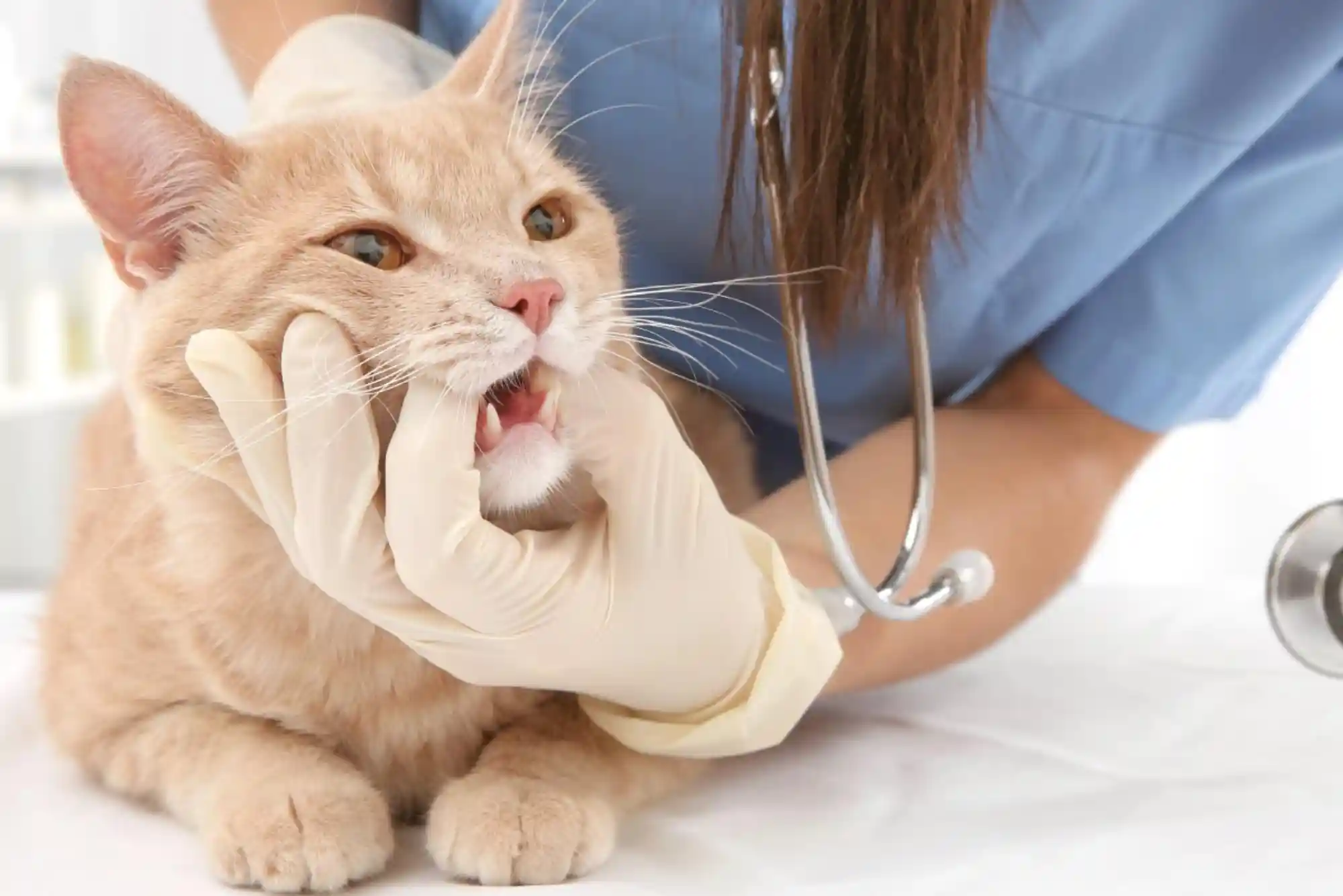
Anyone considering raw feeding should discuss the decision with a veterinarian before making dietary changes. A veterinary nutritionist can assess whether a proposed diet meets the cat’s nutritional needs.
Choose Ingredients Carefully
Use ingredients from reputable suppliers and follow appropriate food-handling practices. Fresh-looking meat is not necessarily free from pathogens. Washing raw meat does not reliably remove harmful bacteria and can spread contamination around the kitchen.
Avoid meat that has spoiled, been stored improperly, or passed its safe storage period. Never assume that freezing eliminates every parasite or bacterial hazard.
Prevent Cross-Contamination
Keep raw pet food separate from human food. Use dedicated preparation equipment when possible, and wash hands thoroughly after handling raw ingredients.
Clean and disinfect work surfaces, utensils, bowls, and storage containers appropriately. Do not allow raw meat juices to contact ready-to-eat foods.
Refrigerate raw ingredients promptly and follow reliable food-storage guidance. Discard leftovers that have remained at unsafe temperatures instead of returning them to storage.
Avoid Unsafe Bones and Improvised Supplements
Bones can cause choking, broken teeth, intestinal damage, and blockages. Cooking bones does not make them safe, and raw bones also present hazards.
Likewise, adding random amounts of calcium powder, liver, oils, or multivitamins can create imbalances. Supplements should be selected and measured according to a professionally formulated recipe.
Monitor Your Cat’s Health
Watch for vomiting, diarrhea, appetite changes, lethargy, or unexpected weight loss after a dietary change. Contact a veterinarian if these symptoms develop.
Seek urgent veterinary attention for severe weakness, repeated vomiting, bloody diarrhea, difficulty breathing, or suspected intestinal obstruction.
Regular veterinary examinations and weight monitoring help identify nutritional problems early. Growing kittens need particular attention because nutritional deficiencies can interfere with normal development.
Safer Alternatives to Homemade Raw Diets
Owners can support their cats’ carnivorous nutritional needs without feeding uncooked meat.
Complete and Balanced Commercial Cat Food
Commercial cat foods labeled complete and balanced for the appropriate life stage offer a practical option. These products are formulated to supply essential nutrients in appropriate proportions.
Wet food provides additional moisture, which can support hydration. Dry food may also be appropriate when nutritionally complete and fed in suitable portions.
Choose products that meet recognized nutritional standards in your market. Ask your veterinarian for recommendations based on your cat’s age, weight, and health.
Commercially Prepared Raw Food
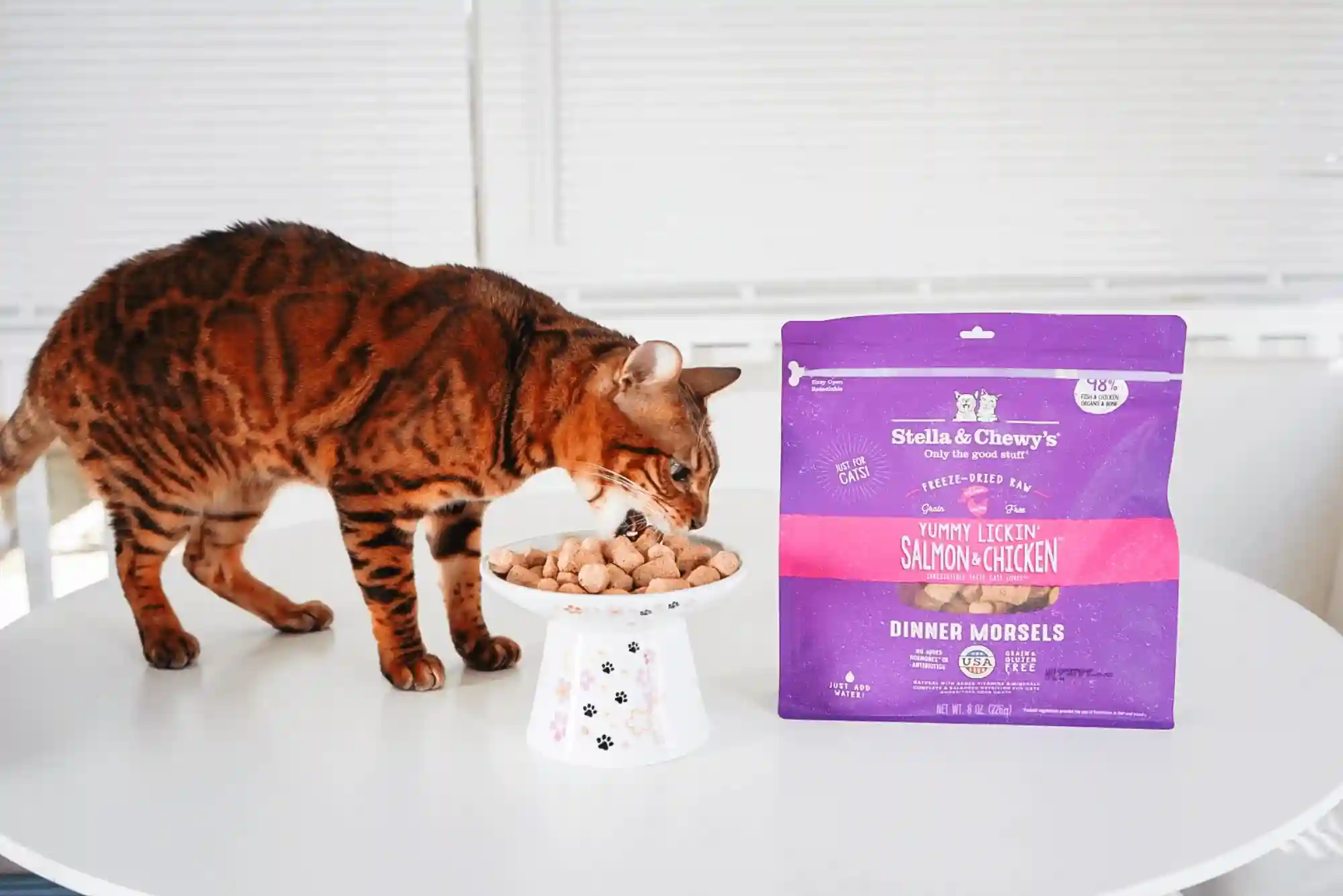
Some companies sell frozen or freeze-dried raw cat food. However, commercial packaging does not guarantee freedom from pathogens.
Look for clear nutritional adequacy statements, transparent manufacturing practices, and credible quality-control procedures. Freeze-dried products are not necessarily sterile, and handling instructions still matter.
Discuss the product with your veterinarian before feeding it, especially if anyone in your household is medically vulnerable.
Cooked Homemade Diets
A properly formulated cooked diet can provide another option for owners who prefer preparing food at home. Cooking reduces many microbial hazards, although it does not correct nutritional imbalances.
A veterinary nutritionist should formulate the recipe and specify its supplements. Avoid replacing a balanced diet with plain cooked chicken, because this does not provide all the nutrients cats need.
Frequently Asked Questions
Is a raw diet healthy for cats?
A raw diet can provide animal protein, but it also carries bacterial and nutritional risks. Current evidence does not establish that raw feeding is healthier than a nutritionally complete commercial diet. Veterinary guidance is important before choosing this approach.
Can cats eat raw chicken every day?
Raw chicken may contain harmful bacteria and does not provide complete feline nutrition by itself. Feeding it daily as the main diet can expose cats to pathogens and nutritional deficiencies. A complete, balanced diet is a safer everyday choice.
What is the safest raw meat for cats?
No raw meat is completely free from foodborne pathogens. Chicken, turkey, beef, and fish can all carry microorganisms or parasites. Proper nutritional formulation and food handling are essential, but cooking and using complete commercial diets generally reduce avoidable risks.
Can kittens eat a raw diet?
Kittens have demanding nutritional requirements because they are growing rapidly. An unbalanced raw diet can interfere with bone development and overall growth. Consult a veterinarian before choosing a kitten’s diet, and use food formulated specifically for growth.
Do veterinarians recommend raw feeding for cats?
Many veterinary professionals advise against raw feeding because of pathogen exposure and nutritional imbalance risks. Recommendations may vary with individual circumstances, but a complete, balanced diet with appropriate safety controls is generally preferred.
Conclusion
A raw diet for cats (obligate carnivores): recipes and safety rules requires more than selecting fresh meat. Cats need precise nutritional balance, including taurine, essential fatty acids, vitamins, and minerals. Raw ingredients also introduce bacterial and parasitic hazards that careful handling cannot eliminate completely.