Introduction
Cat dental health is an essential part of keeping your feline companion comfortable, active, and healthy. Unfortunately, dental problems often develop quietly. Cats are naturally skilled at hiding pain, so they may continue eating even when their teeth and gums are causing significant discomfort. Gingivitis and tooth resorption are two common dental conditions that deserve particular attention.
Understanding cat dental health, signs of gingivitis and tooth resorption can help you recognize early warning signs and seek veterinary care before the problems become severe. Although these conditions affect the mouth differently, both can cause pain and interfere with everyday activities. Fortunately, regular dental examinations and appropriate treatment can improve your cat’s comfort and quality of life.
Understanding Cat Dental Health
A cat’s mouth needs regular attention, just like its skin, eyes, and digestive system. Healthy gums should appear pink, although natural pigmentation can vary between cats. The teeth should be relatively clean, without heavy tartar accumulation or obvious damage.
However, plaque can build up on teeth when bacteria mix with food particles and saliva. If plaque remains, it can harden into tartar and contribute to gum inflammation. Over time, untreated dental problems may affect the tissues supporting the teeth.
Good cat dental health involves more than preventing bad breath. It also means identifying painful conditions, maintaining healthy gums, and ensuring your cat can eat comfortably.
What Is Gingivitis in Cats?
Gingivitis is inflammation of the gums surrounding the teeth. It commonly develops when plaque accumulates along the gumline, allowing bacteria to irritate the surrounding tissue.


In its early stages, gingivitis may be reversible with professional dental cleaning and consistent home care. However, the condition can worsen without treatment. In some cats, severe oral inflammation may also involve other tissues inside the mouth.
Common Signs of Cat Gingivitis
Redness along the gumline is one of the earliest visible signs of gingivitis. Healthy gums generally appear pink, while inflamed gums may look bright red or swollen around individual teeth.
Your cat may also develop bad breath that persists despite normal eating habits. Although occasional unpleasant breath can occur, a strong or unusual odor may indicate dental disease.
Other symptoms include drooling, bleeding gums, and sensitivity when the mouth is touched. Some cats may paw at their mouths or become reluctant to eat dry food. Others may chew slowly, drop food, or suddenly prefer softer meals.
Behavioral changes can also provide clues. A cat experiencing oral pain may become irritable, hide more frequently, or resist being handled around the face.
What Causes Gingivitis in Cats?
Plaque accumulation is a major cause of gingivitis. When bacteria remain around the teeth, the gums respond with inflammation. Tartar can then provide additional surfaces where plaque accumulates.
Nevertheless, gingivitis does not always have a simple explanation. Some cats develop more severe inflammation because of immune-system responses or other oral conditions. Certain infections and systemic illnesses may also contribute to gum inflammation.
Kittens and adult cats can both experience gum problems, although their causes may differ. Therefore, a veterinarian should examine persistent redness, bleeding, or mouth discomfort instead of assuming plaque is the only issue.
What Is Tooth Resorption in Cats?
Tooth resorption is a painful dental condition in which the body gradually breaks down a cat’s tooth structure. The process often begins below the gumline, making it difficult to recognize during an ordinary visual inspection.
As the condition progresses, affected areas may expose sensitive tissues. The tooth can become fragile, and parts of its structure may eventually disappear.
Tooth resorption is relatively common in cats, particularly as they grow older. However, it can affect younger cats as well. Its exact cause remains incompletely understood, and it is not simply the result of poor dental hygiene.
Signs of Tooth Resorption in Cats
One challenge with tooth resorption is that obvious symptoms may not appear until the condition becomes advanced. Some cats continue eating normally despite experiencing considerable oral pain.
A cat may suddenly jerk its jaw while eating or hesitate when biting into food. You might notice unusual jaw movements, food falling from the mouth, or chewing predominantly on one side.
Other warning signs include excessive salivation, mouth sensitivity, and unexplained bleeding. Some cats may resist having their faces touched or show a sudden change in eating preferences.
In advanced cases, a tooth may appear damaged near the gumline. Nevertheless, many lesions remain hidden beneath the gums and cannot be reliably diagnosed through visual examination alone.
How Is Tooth Resorption Diagnosed?
Veterinarians usually examine the mouth for damaged teeth, gum inflammation, and other abnormalities. However, a complete assessment often requires dental X-rays.
Dental radiographs reveal changes inside the tooth and surrounding bone that cannot be seen externally. They also help veterinarians determine how extensively the affected tooth has been damaged.
A thorough dental examination may require anesthesia because cats rarely tolerate a detailed evaluation while fully awake. Anesthesia allows the veterinary team to assess the mouth carefully and perform necessary treatment safely.
Gingivitis vs. Tooth Resorption: Understanding the Difference
Gingivitis primarily affects the gums, while tooth resorption progressively destroys tooth structure. Both conditions can cause redness, drooling, bad breath, and difficulty eating.
However, their treatment approaches differ. Gingivitis may improve considerably after professional cleaning and consistent plaque control, depending on its severity and underlying cause.
Tooth resorption generally requires veterinary dental treatment because the damaged tooth cannot be restored through brushing or dietary changes. Depending on the lesion, extraction or another appropriate surgical approach may be necessary.
Importantly, the two conditions can occur together. A cat with red gums may also have hidden tooth resorption. Therefore, identifying one problem does not rule out the other.
How Veterinarians Treat Cat Dental Problems
Treatment depends on the diagnosis, the severity of the condition, and your cat’s overall health.
Treatment for Gingivitis
For plaque-related gingivitis, professional dental cleaning helps remove plaque and tartar from the teeth and beneath the gumline. The veterinarian may also investigate other causes when inflammation is unusually severe or persistent.
After treatment, home dental care can help reduce future plaque accumulation. Regular brushing with cat-safe toothpaste is generally the preferred preventive approach when your cat can tolerate it.
Advanced gum disease may require additional procedures. If inflammation extends beyond the gums, the veterinarian will recommend treatment based on the underlying condition.
Treatment for Tooth Resorption
Tooth resorption usually requires treatment to relieve pain and prevent continued problems. Extraction is often recommended for affected teeth, although the appropriate procedure depends on the type and extent of resorption.
Dental X-rays are particularly important when planning treatment. In some cases, the roots have already undergone substantial resorption. A veterinarian may recommend a specialized extraction technique based on the radiographic findings.
Pain relief and recovery instructions are also important. Your veterinarian may prescribe medication and recommend temporary dietary adjustments after treatment.
Never give your cat human painkillers unless specifically directed by a veterinarian. Several common human medications can be extremely toxic to cats.
How to Protect Your Cat’s Dental Health at Home
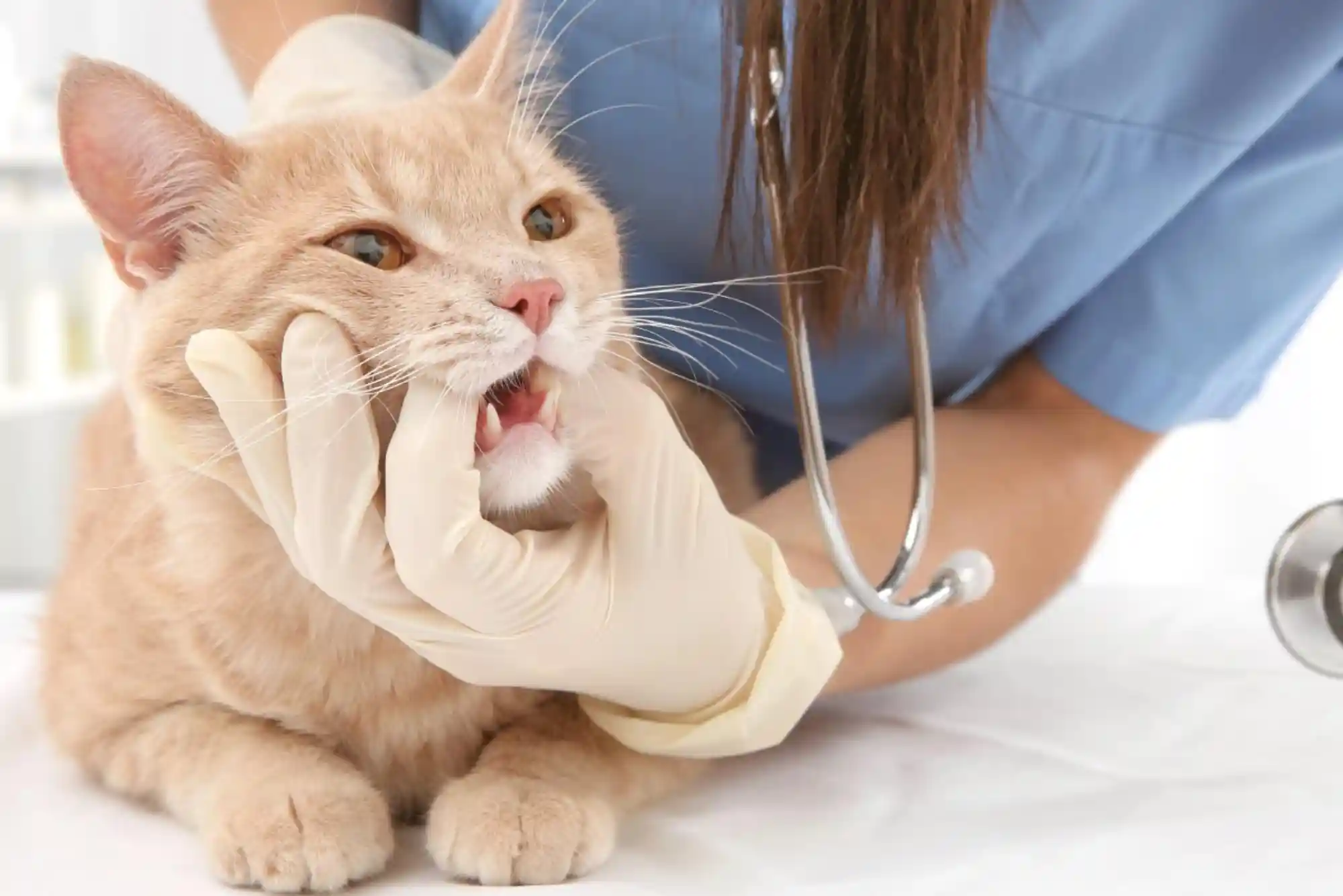
Preventive care can reduce plaque buildup and help you notice problems earlier. Start by making mouth checks a calm, positive experience. Gently lift your cat’s lips when it feels relaxed, and look for redness, swelling, visible tartar, or unusual discharge.
Brushing is one of the most effective ways to control plaque. Introduce a cat-specific toothbrush and toothpaste gradually. Begin by allowing your cat to smell the products before touching its teeth briefly.
Keep sessions short and reward cooperation. If your cat becomes distressed or shows signs of pain, stop and consult your veterinarian.
Dental diets and veterinary-approved dental treats may provide additional support. However, ordinary dry food does not automatically clean teeth effectively. Choose products designed for dental benefits and ask your veterinarian which options suit your cat.
Regular veterinary examinations are equally important. The recommended frequency depends on your cat’s age, dental history, and individual risk factors. Some cats need professional dental assessments more frequently than others.
Remember that home care cannot reverse tooth resorption or replace professional treatment for established dental disease.
When Should You Take Your Cat to the Veterinarian?
Arrange a veterinary examination if your cat develops persistent bad breath, red gums, drooling, or changes in eating behavior. Even subtle signs deserve attention because cats often conceal oral discomfort.
Seek prompt veterinary care if your cat cannot eat comfortably, has significant oral bleeding, or appears to be experiencing severe pain. Facial swelling, marked lethargy, or difficulty swallowing also require urgent assessment.
If your cat stops eating, contact your veterinarian promptly rather than waiting for symptoms to improve. Cats can develop serious health complications when they go without adequate food.
Early diagnosis can reduce discomfort and help prevent dental problems from becoming more complicated. A veterinary examination is the most reliable way to determine whether gingivitis, tooth resorption, or another condition is responsible.
Frequently Asked Questions
Can gingivitis in cats be reversed?
Yes, early plaque-related gingivitis can often be reversed with professional dental cleaning and consistent home care. However, severe or persistent inflammation may have additional causes that require veterinary investigation.
What are the first signs of tooth resorption in cats?
Early signs may include subtle chewing changes, jaw movements while eating, drooling, and sensitivity around the mouth. Some cats show no obvious symptoms, so dental examinations and X-rays are important.
Is tooth resorption painful for cats?
Yes, tooth resorption can be very painful, particularly when sensitive tooth structures become exposed. Cats may continue eating despite discomfort, which makes veterinary assessment especially important.
Can I treat cat gingivitis at home?
Home brushing can help prevent plaque accumulation and support gum health. However, established gingivitis may require professional cleaning, and other causes of inflammation need veterinary treatment.
How often should a cat have a dental checkup?
Cats should receive dental assessments during routine veterinary visits. The ideal schedule depends on their age, oral health, and medical history. Cats with existing dental problems may need more frequent examinations.
Can dry food prevent dental disease in cats?
Ordinary dry food does not reliably prevent dental disease. Specially formulated dental diets may help reduce plaque or tartar, but they cannot prevent every dental condition or treat existing tooth resorption.
Conclusion
Cat dental health, signs of gingivitis and tooth resorption deserve attention because both conditions can cause significant pain without obvious early symptoms. Red gums, persistent bad breath, drooling, and changes in eating habits should never be ignored.