Introduction
Every cat parent wants their furry friend to live a long, happy, andhealthy life. One of the most important decisions you will make involves your cat’s daily diet. When looking at cat care, the debate between wet and dry food remains a constant topic among veterinarians and owners. The ultimate goal is to understand how Wet vs Dry Cat Food: Which Is Better for Feline Longevity? affects your cat’s health over the years. Both options have unique benefits, but they impact a cat’s body in very different ways. Choosing the right food can prevent chronic illnesses and support a longer lifespan. Let us explore the nutritional science behind both options to see which one truly wins for feline longevity.
Understanding the Nutritional Needs of Cats
Cats are obligate carnivores, meaning their bodies are designed to thrive on a diet rich in animal protein. Unlike dogs or humans, cats need specific nutrients like taurine, arachidonic acid, and vitamin A directly from meat. In the wild, a cat’s natural prey consists of small animals that are roughly 70 percent water. This biological design means cats have a notoriously low thirst drive. They do not naturally feel compelled to drink large bowls of water throughout the day. Therefore, their diet must provide a significant portion of their daily moisture intake. Understanding these evolutionary traits helps explain why food texture and hydration matter so much. When evaluating Wet vs Dry Cat Food: Which Is Better for Feline Longevity?, moisture content is often the deciding factor. A diet that respects a cat’s biology will always promote better long-term health and vitality.
The Case for Wet Cat Food and Longevity
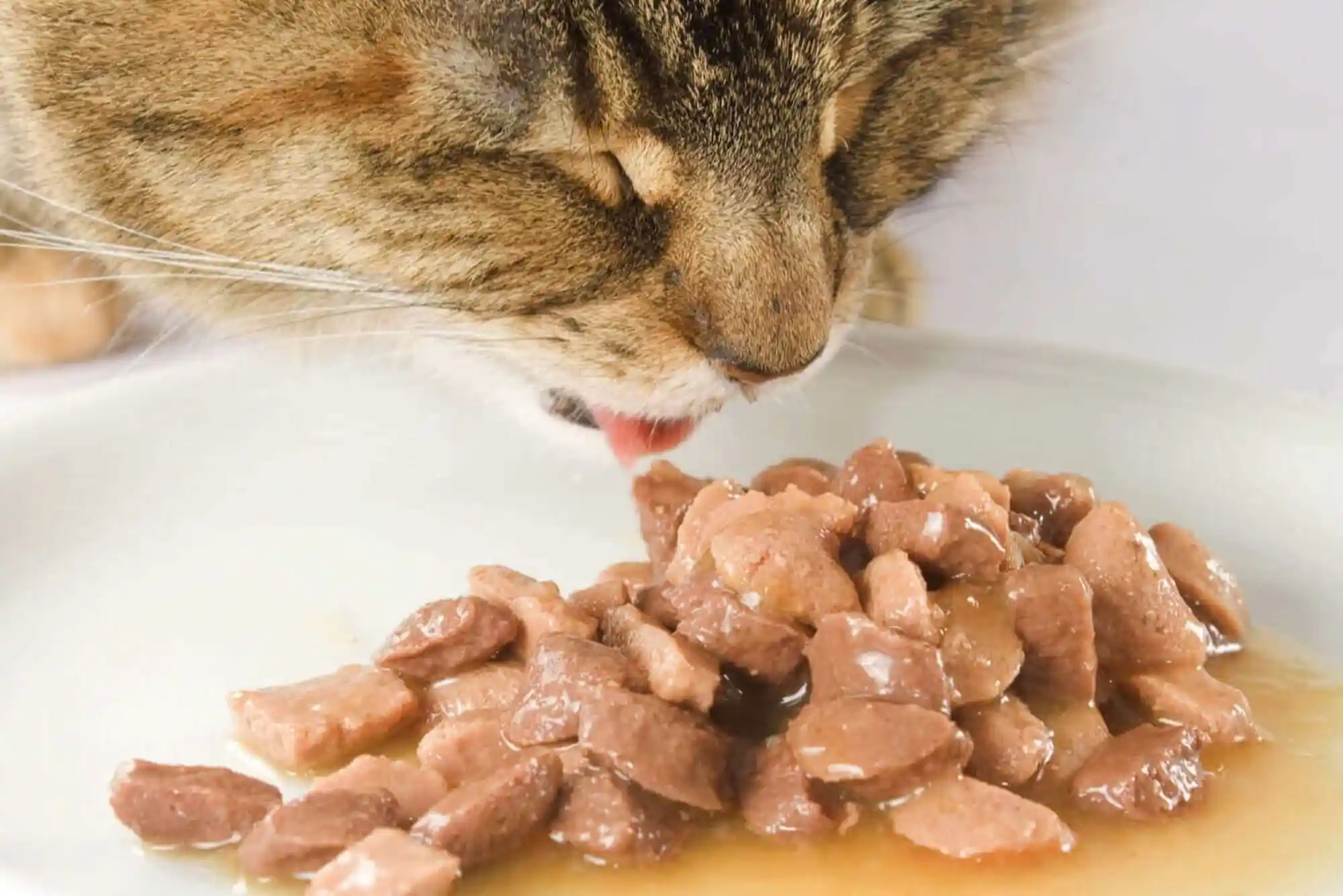
Wet cat food is widely celebrated for its high moisture content, typically ranging from 70 to 80 percent. This high level of hydration closely mimics a cat’s natural prey and protects their delicate urinary tract. Chronic dehydration is a major hidden threat to older cats, often leading to painful urinary crystals and kidney disease. Feeding wet food helps flush the kidneys and keeps the urinary system functioning smoothly. Furthermore, wet food usually contains fewer carbohydrates and higher protein levels than dry kibble. Keeping carbohydrate intake low helps prevent feline obesity and diabetes, both of which shorten a cat’s life. Many veterinarians advocate for wet food because it is easier for senior cats to chew and digest. When considering Wet vs Dry Cat Food: Which Is Better for Feline Longevity?, the moisture advantage of wet food is hard to ignore. It supports vital organ function and helps maintain a healthy weight as your cat ages.
The Benefits of Dry Cat Food for Cats
Dry cat food, or kibble, offers distinct advantages that make it a staple in many households. Convenience is a major factor, as dry food can be left out in a bowl without spoiling quickly. It is also significantly more affordable than canned wet food, making it budget-friendly for multi-cat homes. From a dental perspective, some specialized kibbles are designed to reduce plaque and tartar buildup through mechanical chewing action. However, regular kibble is usually swallowed whole, so its dental benefits are often overstated. Dry food is also energy-dense, meaning active cats can get plenty of calories in a small serving. When analyzing Wet vs Dry Cat Food: Which Is Better for Feline Longevity?, dry food provides great convenience and shelf life. However, owners must monitor their cat’s water intake closely to offset the very low moisture content found in kibble.
Comparing Hydration and Kidney Health
Kidney disease is one of the leading causes of mortality in aging felines. Because cats rarely drink enough water on their own, they live in a state of mild, chronic dehydration. Over time, this constant strain forces the kidneys to work much harder than they should. Wet food steps in as a powerful preventative tool by delivering water directly through every single meal. Cats eating an all-wet diet take in significantly more total daily water than those eating dry kibble alone. This extra hydration dilutes the urine and dramatically reduces the risk of dangerous blockages and kidney stones. When pondering Wet vs Dry Cat Food: Which Is Better for Feline Longevity?, kidney health heavily favors the canned option. Protecting renal function in a cat’s middle years adds precious, healthy time to their senior years.
Weight Management and Obesity Prevention
Feline obesity is an epidemic that triggers diabetes, joint degeneration, and cardiovascular disease. Dry kibble is packed with carbohydrates, which are necessary to hold the kibble shape during manufacturing. These extra carbs can easily pack on unwanted pounds, especially for indoor cats with low activity levels. Wet food is naturally lower in carbohydrates and higher in protein and fat. This macronutrient profile satisfies a cat’s hunger faster and helps build lean muscle mass instead of storing fat. Maintaining an ideal body condition score is one of the most effective ways to extend your cat’s lifespan. When reviewing Wet vs Dry Cat Food: Which Is Better for Feline Longevity?, weight control leans heavily toward wet food. Lean cats live active, mobile lives well into their senior years without debilitating joint pain.


Dental Health Realities: Kibble vs Wet Food
A common myth suggests that crunchy dry kibble cleans a cat’s teeth and prevents dental disease. In reality, most cats crunch the kibble just once before swallowing it, meaning the food shatters instantly. It does not scrape plaque away like a toothbrush would for humans. In fact, starchy dry foods can leave a sticky residue on the teeth that actually promotes tartar buildup. True dental health depends on genetic predisposition, regular veterinary dental cleanings, and specialized dental treats. Whether you feed wet or dry, proactive dental care is essential because mouth pain prevents cats from eating properly. When discussing Wet vs Dry Cat Food: Which Is Better for Feline Longevity?, do not choose dry food solely for dental benefits. Prioritize overall nutrition and manage your cat’s dental hygiene through direct veterinary care and specialized brushing.
Cost, Convenience, and Lifestyle Factors
Practicality plays a massive role in what cat parents ultimately choose to put in the food bowl. Dry food wins the practical race because it is affordable, easy to store, and does not require refrigeration once opened. You can use puzzle feeders and automated dispensers with dry kibble to keep indoor cats mentally stimulated. Wet food, on the other hand, is more expensive, creates more household waste, and spoils quickly if left sitting out. Finding a balance that fits your budget and lifestyle is completely acceptable for your cat’s long-term care. Many cat owners successfully practice a mixed feeding strategy to get the best of both worlds. When looking at Wet vs Dry Cat Food: Which Is Better for Feline Longevity?, lifestyle matters just as much as raw nutrition. A sustainable feeding routine ensures your cat gets consistent meals without stressing your household budget.
The Hybrid Diet Approach for Maximum Benefits
You do not necessarily have to choose just one extreme when planning your cat’s menu. A mixed feeding schedule combining both wet and dry food is a popular and effective veterinary recommendation. You might serve wet food in the morning and evening to boost hydration and protein intake. Then, you can leave a small measured portion of dry kibble out during the day for grazing. This approach gives your cat the incredible kidney protection of wet food alongside the convenience of dry food. It also keeps cats accustomed to different textures, making them less prone to picky eating habits later in life. When evaluating Wet vs Dry Cat Food: Which Is Better for Feline Longevity?, the hybrid method often provides the ultimate compromise. It balances optimal health benefits with daily convenience for busy pet owners.
Frequently Asked Questions
Is wet food better for older cats?
Yes, wet food is generally better for older cats because it provides crucial hydration and is easier to chew. Senior cats often experience dental issues, joint stiffness, or declining kidney function. The high moisture and soft texture of wet food make it much easier for aging cats to digest and enjoy.
Can cats live a long life on dry food alone?
Many cats do live long lives on high-quality dry food, provided they drink enough water from fountains or bowls. However, owners must be vigilant about monitoring their cat’s hydration and weight. Without adequate water intake, dry-fed cats face a higher risk of urinary tract and kidney issues as they age.
How much wet food should I feed my cat daily?
The correct amount of wet food depends on your cat’s age, weight, and activity level, as well as the calorie density of the specific brand. Most commercial cat foods provide a feeding guide on the label based on weight. You should always consult your veterinarian to calculate the exact daily calories your cat needs.
Does wet food cause more dental problems in cats?
Wet food does not inherently cause dental disease, though some believe its soft texture leaves more residue than crunchy kibble. In reality, genetics and overall health dictate dental health much more than food texture. Regular veterinary checkups and home dental care are vital regardless of whether you feed wet or dry food.
Conclusion
Deciding between these two popular options comes down to understanding your individual cat’s unique health needs and lifestyle. While dry food offers unmatched convenience and affordability, wet food provides superior hydration and protein profiles. Protecting your cat’s kidneys and maintaining a healthy weight are the two most powerful ways to support long-term feline longevity. Many cats thrive on a hybrid diet that captures the hydration benefits of wet food with the practicality of dry kibble. Every cat is an individual, so consulting your veterinarian is always the best first step before making major dietary changes. Take a close look at your cat’s current bowl today and consider adding more moisture to their routine. Share your thoughts or your cat’s favorite feeding routine in the comments below, and subscribe for more expert feline health tips!