Introduction
Cats are notoriously good at hiding their discomfort. In the wild, showing weakness makes a feline a prime target for predators. Because of this evolutionary survival instinct, our domestic house cats maintain a masterclass in poker faces. They will purr, groom, and nap even when they are hurting badly. As pet parents, we often wait for obvious symptoms like limping or crying out. By the time those loud alarms sound, the condition is usually quite advanced. Learning How to Tell If Your Cat Is in Pain: Subtle Subtle Signs of Feline Sickness requires keen observation. You must look past the whiskers and fur to notice microscopic shifts in daily behavior. This comprehensive guide uncovers the hidden red flags every cat lover needs to recognize.
Understanding the Feline Mask of Pain
Feline pain is deeply misunderstood by many owners. Most people assume a hurting cat will meow constantly or refuse to move. In reality, cats experience pain much like humans do, but their coping mechanisms are entirely different. They tend to withdraw, hide away, or alter their routines subtly. You might notice your furry friend spending more time under the bed or behind the sofa. This isolation is a classic defense mechanism against perceived threats while they feel vulnerable. Veterinarians note that behavioral changes are almost always the very first clue. When your cat stops acting like themselves, something internal is usually amiss. Recognizing this shift early can save your cat from prolonged suffering and costly medical bills.
Behavioral Shifts That Scream Discomfort
Behavioral modifications are the most reliable indicators of feline distress. A sudden change in temperament should immediately raise your internal alarm bells. If your normally affectionate cat suddenly snaps when touched, they are likely hurting. Conversely, an independent cat turning suddenly clingy might be seeking safety through comfort. Another major red flag is a change in interaction with other household pets. Stalking, hissing, or avoiding multi-cat dynamics often stems from chronic joint or back pain. Litter box habits also tell a crucial story about your cat’s internal state. Straining, missing the box, or urinating outside designated areas frequently points to pain. Bladder inflammation, kidney issues, and arthritis make the simple act of elimination agonizing. Always check the box daily to monitor output quantity, frequency, and consistency.
Physical Posture Changes You Should Never Ignore
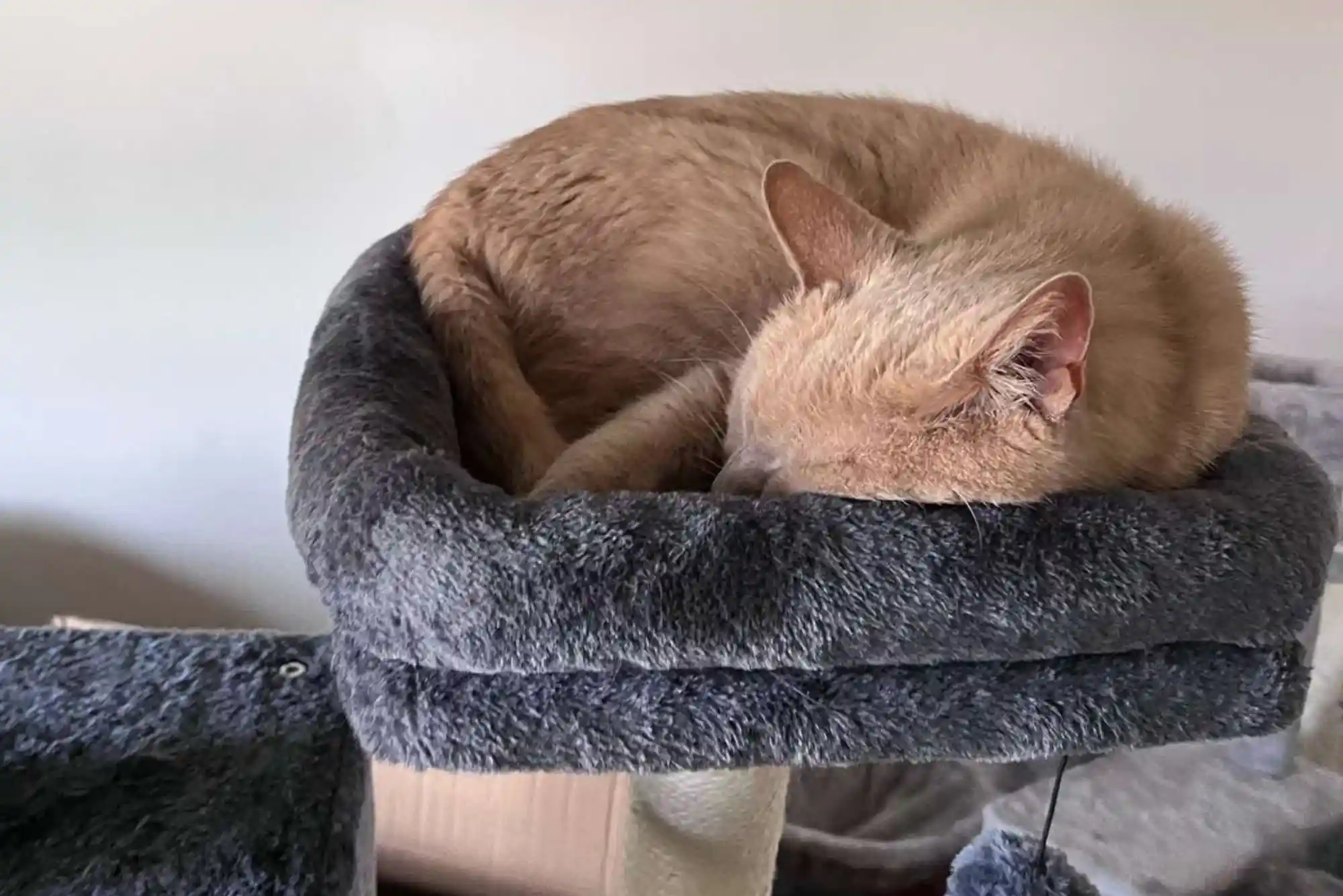
Physical posture offers a direct window into how a cat’s body feels. Have you ever noticed your cat sitting in a tight, hunched position for hours? This is known as the “meatloaf” posture, where paws are tucked neatly underneath the body. While normal for resting, a prolonged tense hunch often signals abdominal or systemic pain. Look closely at their facial expressions using the Feline Grimase Scale. Ears turned slightly outward, flattened whiskers, and squinted eyes all point to acute distress. Muscle wasting along the back and thighs is another subtle structural indicator. When a cat hurts, they move less, leading to rapid muscle atrophy over time. Furthermore, pay close attention to how they land when jumping down. Hesitation, misjudging distances, or choosing the floor over high perches reveals joint aches.
Grooming Habits and Coat Changes
A healthy cat is a meticulous groomer that spends hours maintaining a sleek coat. When a cat stops grooming, it is rarely due to laziness or poor hygiene. Arthritis in the jaw, shoulders, or hips makes bending and twisting immensely painful. Consequently, you will notice a greasy, unkempt, or matted coat, particularly along the lower back. Conversely, some cats over-groom specific spots in a desperate attempt to soothe irritation. Licking the belly or legs raw frequently indicates underlying neuropathic or visceral pain. If your cat develops bald patches or red skin from excessive licking, consult a vet immediately. Skin sensitivity is a common mask for deeper internal issues that require professional diagnosis.
Sleep Patterns and Vocalization Oddities
Sleep disruption is another sneaky symptom of underlying feline sickness. Cats in pain often sleep much more than usual, but their sleep is restless. They may wake up frequently, shift positions constantly, or refuse to lie down. On the flip side, some painful conditions cause severe insomnia and pacing throughout the house. Vocalization changes are also worth noting, though they rarely manifest as loud cries. A low-pitched growl when approached or an unusual, mournful yowl at night demands attention. Even a sudden decrease in normal purring can indicate that your cat feels too terrible to vibrate. Every nuance in their daily vocal repertoire provides a vital puzzle piece for your veterinarian.


Frequently Asked Questions
How do I know if my cat is hiding pain?
Cats hide pain instinctively to protect themselves from predators in the wild. You must watch for subtle changes like withdrawal, reduced grooming, or posture shifts.
What are the most common signs of arthritis in cats?
Hesitation to jump, missing the litter box, stiffness after resting, and a matted coat along the lower back are classic arthritis signs.
Can a cat in pain still purr?
Yes, cats often purr when they are stressed, frightened, or in pain to comfort themselves. Do not assume purring always means your cat is happy.
When should I take my cat to the emergency vet?
Seek immediate help if your cat shows severe lethargy, labored breathing, inability to urinate, or sudden paralysis in the hind legs.
Conclusion
Detecting discomfort early remains one of the greatest acts of love you can offer your feline companion. By mastering How to Tell If Your Cat Is in Pain: Subtle Subtle Signs of Feline Sickness, you become their ultimate advocate. Never brush off minor behavioral quirks as mere personality shifts. Schedule a comprehensive veterinary checkup immediately if you notice any persistent red flags discussed in this guide. Your veterinarian can run diagnostic tests to pinpoint the exact root cause of your cat’s distress. Take a moment today to observe your cat closely and ensure they live a comfortable, pain-free life.