Introduction
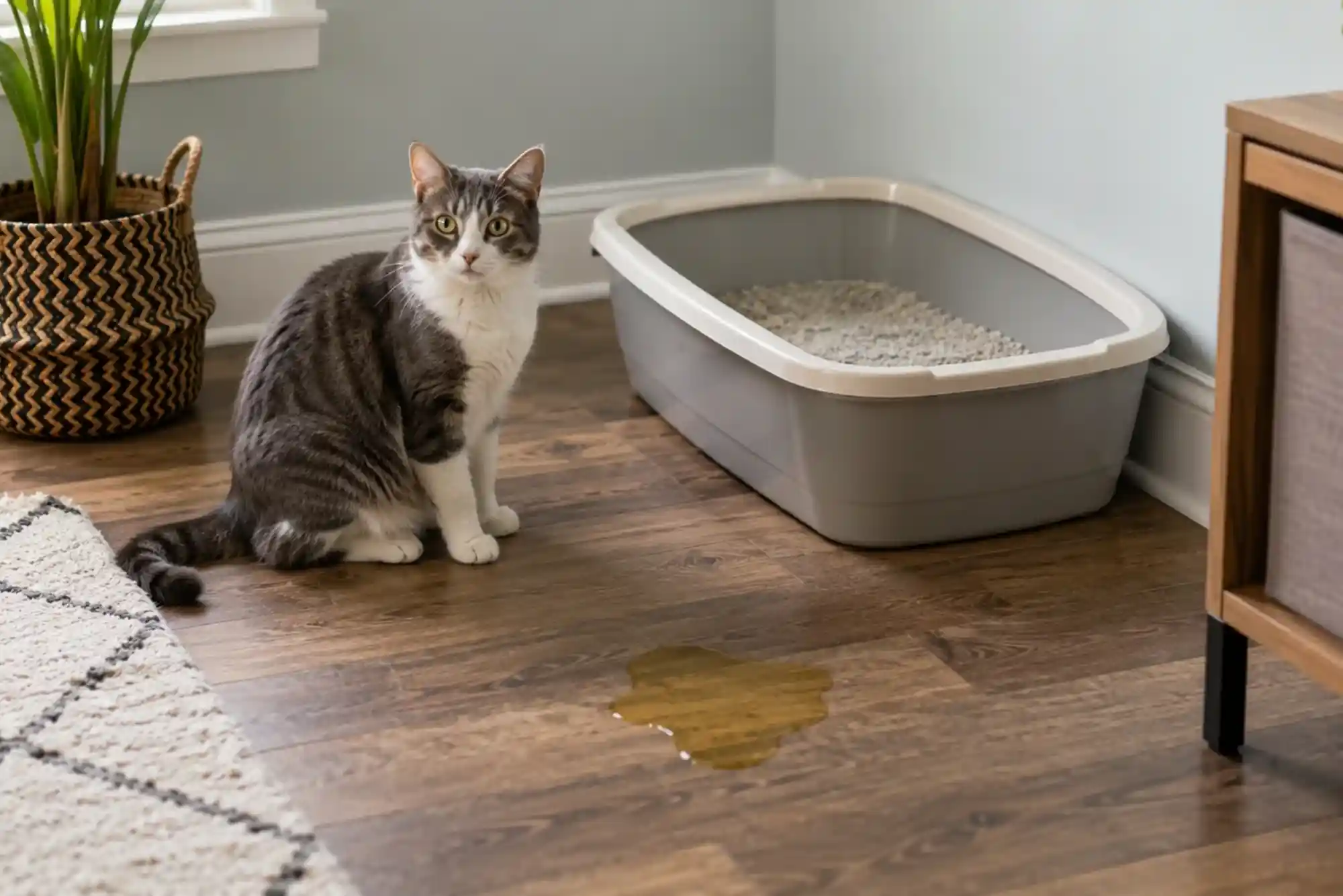
Finding urine on your carpet, bed, or furniture can be frustrating. However, if you are wondering, “Why is my cat peeing outside the litter box?” the answer may involve health problems, stress, or an unsuitable litter box.
Cats are naturally clean animals. Therefore, sudden changes in their bathroom habits often indicate that something needs attention. Punishing your cat will not solve the problem and may increase anxiety.
Understanding why your cat is urinating outside its litter box is the first step toward correcting the behavior. Some causes require simple environmental changes, while others need prompt veterinary treatment.
This guide explains seven common causes of inappropriate urination and practical solutions. It also covers warning signs, cleaning methods, and frequently asked questions to help you support your cat.
Why Is My Cat Peeing Outside the Litter Box?
Cats may urinate outside their litter boxes because of medical conditions, stress, territorial behavior, or discomfort with their bathroom environment. Identifying the underlying cause is essential before choosing a solution.
Pay attention to where your cat urinates, how frequently it visits the litter box, and whether its behavior has changed. These details can help you recognize patterns and explain the problem to your veterinarian.


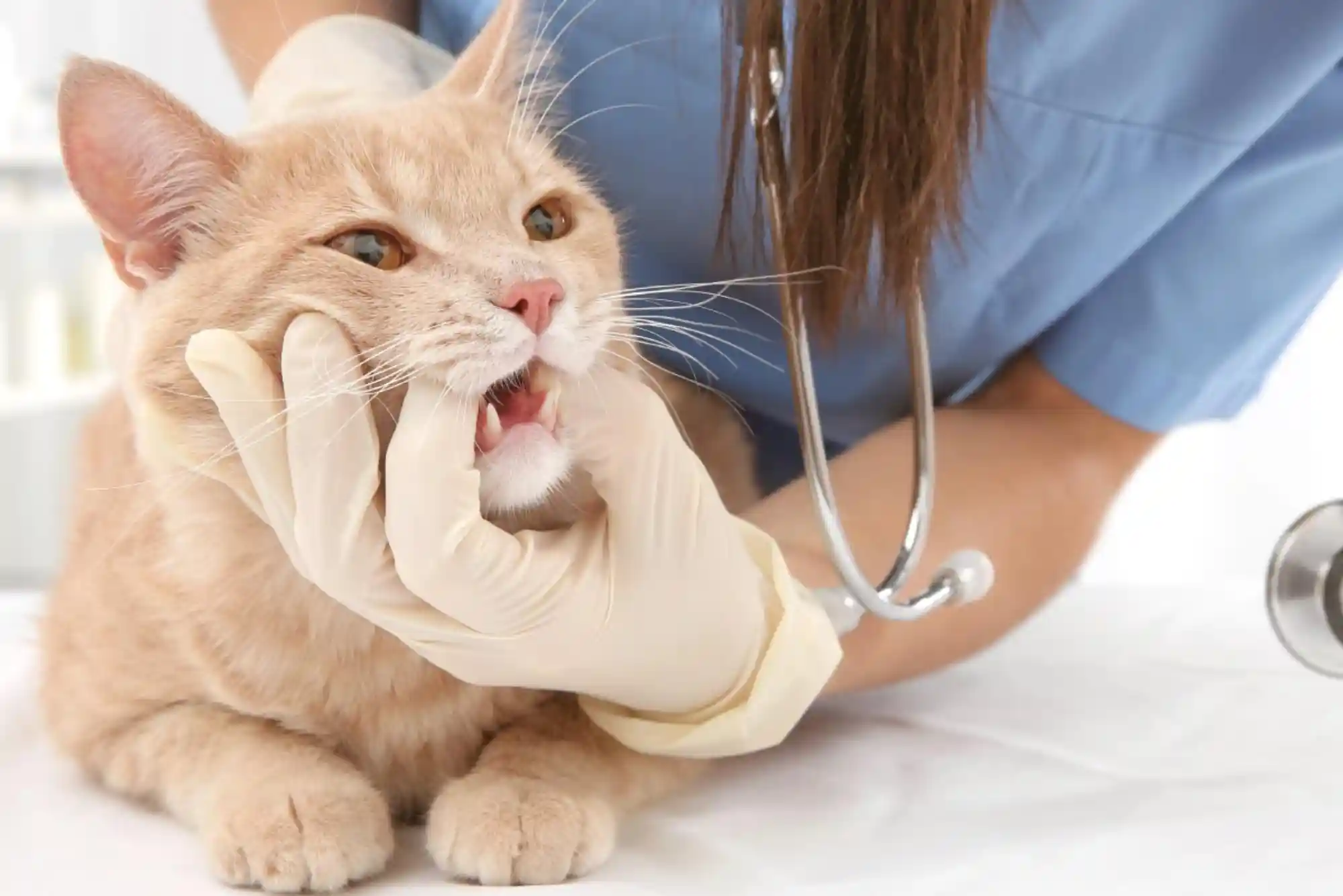
If your cat suddenly starts urinating outside the litter box, arrange a veterinary examination. Medical problems can develop before other obvious symptoms appear.
Important: If your cat repeatedly strains to urinate, produces little or no urine, cries in pain, or frequently visits the litter box without success, seek emergency veterinary care. A urinary blockage is life-threatening, particularly in male cats.
Medical Problems and Urinary Tract Conditions
One of the most important answers to “Why is my cat peeing outside the litter box?” is an underlying medical problem.
Cats experiencing urinary discomfort may associate the litter box with pain. Consequently, they might begin urinating on soft surfaces or in other areas of the home.
Common causes include bladder inflammation, urinary tract infections, bladder stones, and other urinary conditions. Older cats may also develop kidney disease or diabetes, which can increase urine production.
Signs Your Cat May Have a Medical Problem
Your cat might urinate more frequently, pass unusually small amounts of urine, or lick its genital area excessively. Blood in the urine, painful urination, and increased thirst are also concerning signs.
However, some conditions produce subtle symptoms. Never assume that your cat is simply misbehaving because it appears otherwise healthy.
Solution
Schedule a veterinary examination to identify the cause. Your veterinarian may recommend a urinalysis, blood tests, imaging, or other investigations.
Treatment depends on the diagnosis. It may involve medication, dietary changes, increased water intake, or specific treatment for bladder stones or other conditions.
Avoid giving your cat human medication or leftover antibiotics. These can be dangerous and may delay appropriate treatment.
A Dirty or Uncomfortable Litter Box
Cats can be particular about cleanliness. If their litter box contains waste, smells unpleasant, or feels uncomfortable, they may choose another location.
This is especially common when several cats share one box. A cat may avoid the bathroom area if another pet frequently uses it.
The litter itself can also cause problems. Strong fragrances, rough textures, or sudden changes in litter type may discourage a cat from entering the box.
Solution
Scoop the litter box at least once daily, preferably more often when necessary. Wash the box regularly with mild, unscented soap and water.
Choose unscented litter with a comfortable texture. If you need to change brands, introduce the new litter gradually rather than replacing everything immediately.
Most cats prefer spacious, uncovered boxes that allow easy movement. A useful starting point is a box approximately 1.5 times your cat’s body length, excluding the tail.
For many households, the recommended number of litter boxes is one per cat, plus one extra. Place them in separate, quiet locations whenever possible.
Stress and Anxiety
Stress can significantly affect a cat’s bathroom habits. Cats thrive on predictable routines, so even small household changes can make them feel insecure.
Moving homes, welcoming a new baby, introducing another pet, or changing your work schedule may trigger anxiety. Loud noises, unfamiliar visitors, and conflicts with other cats can also contribute.
Some stressed cats urinate near doors, windows, or personal belongings. Others hide more frequently, groom excessively, or become unusually vocal.
Solution
Create a calm environment with consistent feeding times and familiar resting places. Give your cat access to hiding spots, elevated surfaces, scratching posts, and quiet sleeping areas.
Introduce household changes gradually whenever possible. When bringing home another pet, allow both animals to become familiar with each other’s scent before arranging direct contact.
Pheromone diffusers may help some cats feel more secure. However, they should complement environmental changes rather than replace medical assessment.
Most importantly, never punish a frightened cat for urinating outside the litter box. Fear can worsen the behavior and damage your relationship.
Territorial Marking and Conflicts With Other Cats
Sometimes, urination outside the litter box is related to territorial marking rather than ordinary elimination.
Cats may spray urine to communicate with other animals. This behavior can occur when unfamiliar cats appear outside windows or when household cats compete for territory.
Urine spraying usually involves small amounts deposited on vertical surfaces. A cat often stands with its tail raised, sometimes quivering, while spraying.
By contrast, normal urination usually involves squatting and leaving a larger puddle on a horizontal surface. Nevertheless, marking and medical problems can overlap.
Solution
If your cat sprays, identify possible territorial triggers. Block direct views of unfamiliar cats when necessary, and provide separate feeding stations, resting areas, and litter boxes for household cats.
If your cat is not neutered or spayed, discuss the procedure with your veterinarian. Neutering can reduce hormone-related spraying, although it does not eliminate every case.
Clean marked areas thoroughly to remove lingering urine odors. Otherwise, the scent may encourage repeated marking in the same location.
The Litter Box Is in the Wrong Location
Location matters more than many owners realize. A litter box placed beside a washing machine, in a busy hallway, or near a noisy appliance may feel unsafe.
Cats generally prefer quiet locations where they can enter and leave without interruption. They may also avoid boxes placed near food and water bowls.
In multi-story homes, a single litter box can create difficulties. A cat may struggle to reach it quickly, especially during the night or when feeling unwell.
Solution
Move the litter box to a quiet, accessible location with enough space for your cat to turn around comfortably.
Avoid placing it beside loud appliances or in areas where children and other pets frequently interrupt your cat.
If your home has multiple floors, consider providing a litter box on each level. Older cats and cats with mobility problems may benefit from boxes with low entry points.
When changing locations, avoid moving every box suddenly. Keep a familiar option available while your cat adjusts to the new arrangement.
Age-Related Changes and Mobility Problems
Older cats may begin urinating outside the litter box because of arthritis, reduced mobility, vision changes, or cognitive decline.
A cat with joint pain may find it difficult to climb into a high-sided box. Even a short walk to the bathroom can become uncomfortable.
Senior cats may also experience medical conditions that increase thirst and urination. Kidney disease and diabetes are particularly important possibilities to discuss with a veterinarian.
Solution
Provide a litter box with a low entrance and a spacious interior. Place it close to your cat’s preferred resting area without putting it somewhere noisy or exposed.
Keep the route to the box clear of obstacles. Non-slip flooring may also help cats who struggle with balance or joint discomfort.
Arrange a veterinary examination if an older cat develops new bathroom habits. Your veterinarian can assess pain, mobility, kidney function, and other age-related concerns.
Never assume that accidents are simply an unavoidable part of aging. Appropriate treatment and environmental adjustments can improve your cat’s comfort.
7. Changes in Routine, Litter Type, or Household Environment
Cats can react strongly to changes that seem insignificant to humans. A different litter brand, a recently purchased box, or a rearranged room may disrupt familiar bathroom habits.
Some cats dislike covered boxes because they trap odors or restrict movement. Others feel uncomfortable using automatic litter boxes because of unfamiliar sounds and movement.
Changes in feeding schedules, visitors, renovations, or furniture placement can also affect a cat’s sense of security.
Solution
Think about what changed shortly before the urination problem began. If you recently switched litter, return to the previous type and observe whether the behavior improves.
When introducing a new box or litter, keep the familiar option available. This allows your cat to adjust without suddenly losing its preferred bathroom arrangement.
Maintain predictable daily routines and give your cat time to explore changes at its own pace.
If the problem continues despite environmental improvements, consult your veterinarian. A behavioral specialist may help identify triggers that are difficult to recognize at home.
How to Clean Cat Urine and Prevent Repeat Accidents
Cleaning urine correctly is essential when addressing inappropriate urination. Cats have sensitive noses, and lingering odors may encourage them to return to the same location.
Blot fresh urine with paper towels rather than rubbing it deeper into carpets or upholstery. Next, use a pet-safe enzymatic cleaner according to the manufacturer’s instructions.
Test the product on a hidden area first. Some materials require specialized cleaning, and certain cleaners may damage delicate fabrics.
Avoid ammonia-based cleaners because their smell can resemble components of urine. Never mix cleaning chemicals, particularly bleach with ammonia-containing products.
Keep your cat away from the area until it is properly cleaned and dry. If urine has soaked into carpet padding or furniture, repeated treatment may be necessary.
Also, avoid placing your cat in the litter box as punishment. Instead, make the box appealing and reward calm, natural behavior.
When Should You Take Your Cat to the Vet?
A veterinary appointment is appropriate whenever inappropriate urination begins suddenly, persists, or occurs alongside other behavioral changes.
Seek urgent care if your cat strains repeatedly, cries while urinating, produces only drops, or cannot pass urine. A suspected urinary blockage requires immediate attention.
Other warning signs include blood in the urine, vomiting, lethargy, reduced appetite, excessive thirst, and unexplained weight loss.
Your veterinarian may ask about the frequency of accidents, the amount of urine, recent household changes, and litter box arrangements. Keeping notes about these details can help guide the examination.
Early assessment can prevent unnecessary discomfort and identify conditions that require treatment.
Frequently Asked Questions
Why is my cat suddenly peeing outside the litter box?
Sudden inappropriate urination can result from urinary discomfort, stress, dirty litter, territorial marking, or changes in the home. Because medical problems can resemble behavioral issues, arrange a veterinary examination rather than assuming your cat is acting out.
How do I stop my cat from peeing outside the litter box?
Start by ruling out medical causes with your veterinarian. Then keep the litter box clean, use comfortable unscented litter, provide enough boxes, and reduce household stress. Clean previous accidents with an enzymatic cleaner to remove lingering odors.
Should I punish my cat for peeing outside the litter box?
No. Punishment can increase fear and anxiety without addressing the underlying cause. Instead, identify potential medical or environmental problems and make the litter box safe, comfortable, and accessible.
Why is my cat peeing on my bed?
Your bed may feel soft, absorbent, and familiar, making it attractive when your cat avoids its litter box. Stress, urinary discomfort, and litter box preferences can all contribute. Clean the bedding thoroughly and arrange a veterinary assessment, especially if this behavior is new.
Can stress cause a cat to urinate outside the litter box?
Yes. Changes in routine, unfamiliar pets, territorial conflicts, and noisy environments can contribute to inappropriate urination. Providing predictable routines, quiet resting areas, and sufficient litter boxes may help reduce stress.
How many litter boxes should I have for my cats?
A common recommendation is one litter box per cat, plus one additional box. Place them in separate, accessible locations and keep them clean. Some cats need additional boxes because of mobility issues, social conflicts, or household layout.
Conclusion
If you are asking, “Why is my cat peeing outside the litter box?” remember that this behavior usually has an underlying cause. Medical conditions, stress, territorial marking, litter box cleanliness, and environmental changes can all contribute.