Introduction
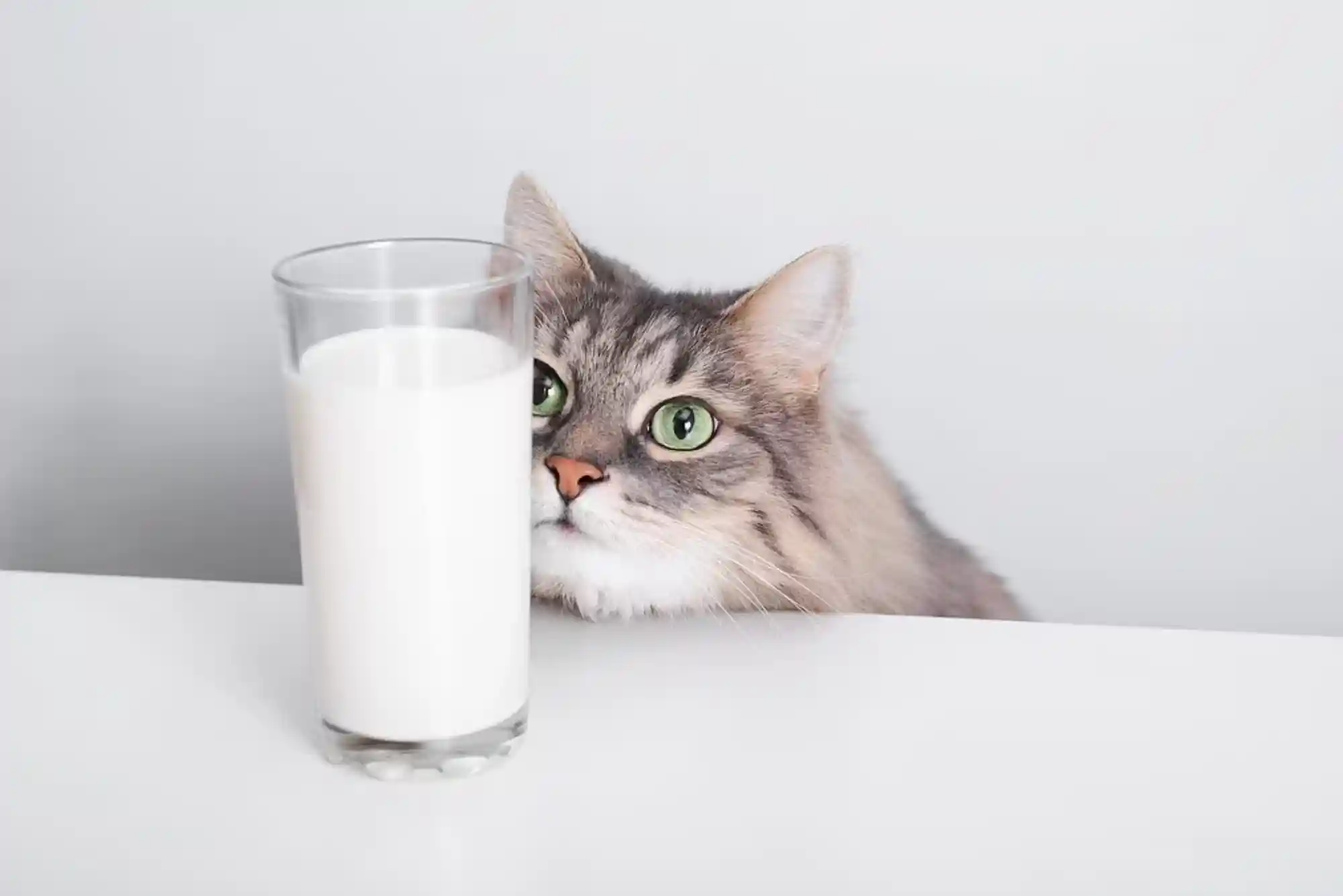
Can Cats Drink Milk? Lactose Intolerance and Safe Hydration is an important topic for every cat owner. Many people believe cats naturally enjoy milk and need it for good health. This familiar image appears in cartoons, advertisements, and popular culture. However, the reality is quite different. Most adult cats cannot digest milk properly because they have difficulty breaking down lactose.
Lactose is the natural sugar found in milk. Kittens produce an enzyme called lactase, which helps digest this sugar. As cats grow older, their lactase production usually decreases. Consequently, drinking cow’s milk can cause digestive problems.
Understanding whether cats can drink milk helps owners make healthier feeding decisions. More importantly, providing fresh water supports proper hydration and overall well-being. This guide explains lactose intolerance, potential symptoms, suitable alternatives, and practical hydration tips.
Can Cats Drink Milk Safely?
Cats can drink small amounts of certain milk products without immediate problems. However, ordinary cow’s milk is not recommended as a regular treat. Many adult cats are lactose intolerant, meaning their digestive systems struggle to process lactose.
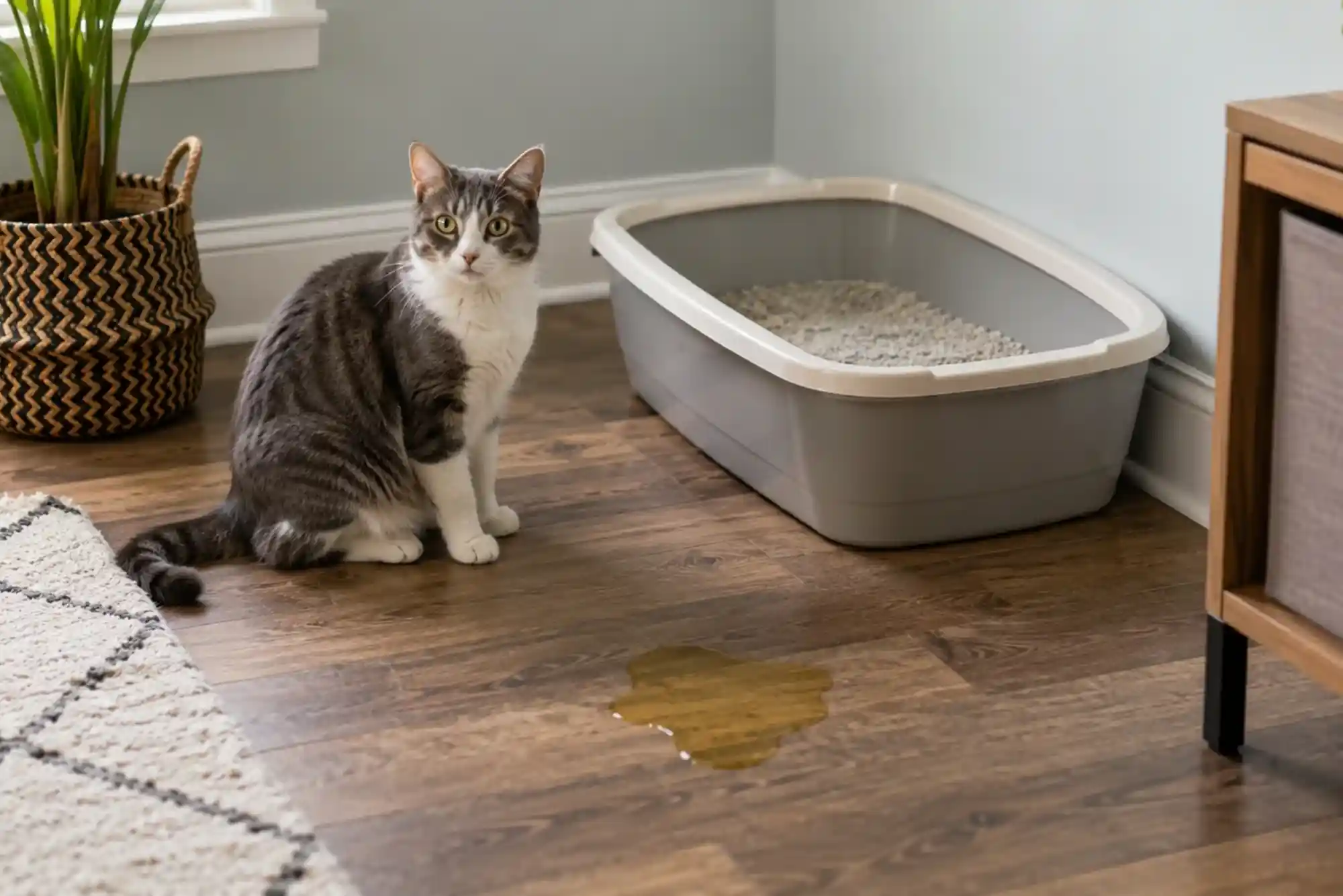
When an intolerant cat drinks milk, undigested lactose remains in the intestine. This can draw water into the digestive tract and cause fermentation. As a result, the cat may experience diarrhea, gas, bloating, or abdominal discomfort.
Not every cat reacts in the same way. Some cats tolerate a small amount, while others develop symptoms after drinking only a little. Therefore, the absence of immediate symptoms does not make milk a healthy dietary choice.


Milk also contains calories and fat that cats do not need from this source. Regularly offering milk can contribute to excess calorie consumption. Cats should obtain their daily nutrition from a balanced, age-appropriate cat food.
Understanding Lactose Intolerance in Cats
Lactose intolerance occurs when the body produces insufficient lactase to digest lactose effectively. Lactase breaks lactose into simpler sugars that the intestine can absorb.
Why Adult Cats Struggle to Digest Milk
Young kittens rely on their mother’s milk during early development. Their digestive systems produce sufficient lactase to process the lactose in that milk. As they mature and transition to solid food, lactase production often declines.
This natural change explains why adult cats frequently develop digestive symptoms after consuming dairy products. Although some cats retain more lactase activity than others, tolerance varies between individuals.
Importantly, lactose intolerance is not the same as a milk allergy. Lactose intolerance involves difficulty digesting milk sugar. A milk allergy involves an immune response to milk proteins and may require different veterinary management.
Common Signs of Lactose Intolerance
Symptoms generally appear within several hours of drinking milk, although timing can vary. Affected cats may develop diarrhea, excessive gas, vomiting, bloating, or abdominal discomfort.
Some cats may also appear restless or lose interest in food temporarily. However, these symptoms can indicate other medical problems, too. Owners should not automatically assume milk caused every digestive issue.
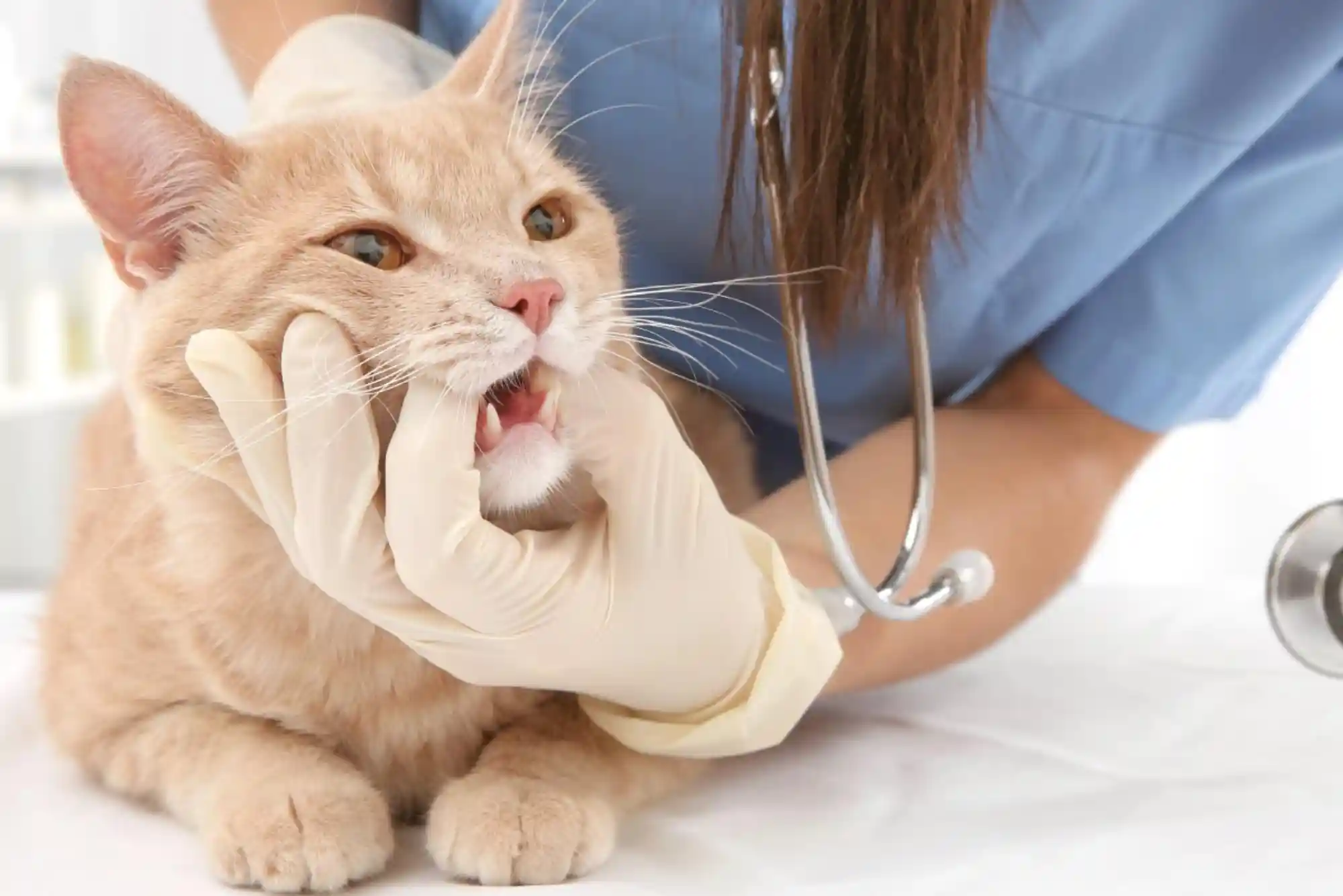
Contact a veterinarian if symptoms are severe, persistent, or accompanied by weakness, blood in the stool, or repeated vomiting. Kittens and older cats can become dehydrated more quickly, making prompt assessment especially important.
Can Kittens Drink Cow’s Milk?
Kittens have different nutritional needs from adult cats. During their early weeks, mother’s milk provides essential nutrients, energy, and immune support. However, cow’s milk is not an appropriate replacement.
Cow’s milk differs from cat’s milk in its nutritional composition. It may not provide the correct balance of protein, fat, and other nutrients required for healthy kitten development. It can also cause diarrhea, which is particularly dangerous for young kittens.
What Should Orphaned Kittens Drink?
Orphaned kittens generally need a commercial kitten milk replacer formulated specifically for their developmental requirements. These products are designed to provide nutrition closer to what kittens receive from their mother.
Follow the product’s feeding instructions and ask a veterinarian for guidance. The correct feeding amount depends on the kitten’s age, weight, and condition.
Never assume that regular cow’s milk, goat’s milk, or plant-based milk can replace a kitten formula. If a kitten refuses food, becomes weak, or develops diarrhea, seek veterinary advice promptly.
As kittens grow, they can gradually transition to suitable wet or dry kitten food. Fresh drinking water should become available during the weaning process.
Is Cat Milk a Better Alternative?
Specially formulated cat milk products are available in many pet stores. Some are designed with reduced lactose levels, making them easier for certain adult cats to digest.
Nevertheless, cat milk is generally an occasional treat rather than a nutritional necessity. It can still contain calories and fat, depending on the product. Owners should check the label and consider their cat’s overall diet.
Lactose-free cow’s milk may also reduce lactose-related digestive symptoms. However, removing lactose does not automatically make milk nutritionally necessary or suitable for every cat.
If you want to offer cat milk, introduce a small quantity and monitor your pet. Stop immediately if digestive symptoms develop. Cats with dietary restrictions or existing medical conditions should receive treats only with appropriate veterinary guidance.
Safe Hydration for Cats
Water is essential for digestion, circulation, temperature regulation, and normal organ function. Unlike milk, fresh water provides hydration without unnecessary lactose, fat, or calories.
Cats have a relatively low thirst drive compared with some other animals. Their ancestors obtained much of their moisture from prey. Consequently, some domestic cats may drink less water than their owners expect.
How Much Water Does a Cat Need?
A cat’s daily water requirement depends on its body weight, diet, activity, environment, and health. As a general guideline, many cats need approximately 40–60 milliliters of total water per kilogram of body weight daily.
This estimate includes moisture from food as well as water consumed directly. Cats eating wet food may drink less from their bowls because their meals already contain substantial moisture.
For example, a four-kilogram cat might need approximately 160–240 milliliters of total daily water. Individual needs can vary considerably, so this figure is not a strict target.
Hot weather, increased activity, and certain medical conditions can raise water requirements. Persistent changes in drinking or urination should be discussed with a veterinarian.
How to Encourage Your Cat to Drink More Water
Place several clean water bowls around your home. Choose quiet locations away from litter boxes and, where possible, separate from food bowls.
Wash the bowls regularly and replace stale water with fresh water each day. Some cats prefer wide, shallow bowls that prevent their whiskers from touching the sides.
A pet water fountain may encourage drinking in cats attracted to moving water. However, fountains require regular cleaning to prevent dirt and microbial buildup.
Wet cat food can also increase daily moisture intake. If appropriate for your cat, gradually incorporating wet food into a balanced diet may help support hydration.
Never force water into a cat’s mouth unless a veterinarian specifically instructs you. Forced administration can cause choking or aspiration.
What Other Drinks Can Cats Have?
Fresh, plain water remains the best everyday drink for cats. Most other beverages offer little benefit and may introduce unnecessary ingredients.
Plain, unseasoned water from a safe drinking supply is generally suitable. If you have concerns about your local water quality, ask your veterinarian about appropriate alternatives.
Avoid giving cats tea, coffee, energy drinks, alcohol, or sugary beverages. Caffeine and alcohol can be toxic to cats. Sugary drinks also provide unnecessary calories and may contain unsuitable ingredients.
Plant-based drinks, including almond, oat, and soy milk, are not appropriate substitutes for water or balanced cat food. Some contain added sugar, flavorings, oils, or other ingredients that may upset digestion.
Broth may sometimes encourage fluid intake, but it must be free from onion, garlic, excessive salt, and unsafe seasonings. Choose a cat-safe product or consult a veterinarian before offering homemade broth.
When Should You Contact a Veterinarian?
Occasional mild digestive upset after drinking milk may resolve after the cat stops consuming dairy. Nevertheless, persistent symptoms deserve professional attention.
Seek veterinary advice if your cat develops repeated vomiting, ongoing diarrhea, abdominal pain, or a reduced appetite. Contact a veterinarian promptly if your pet becomes unusually tired or shows signs of dehydration.
Possible dehydration signs include sticky gums, reduced urination, weakness, and sunken-looking eyes. These signs are not always easy to identify at home. A veterinarian can assess hydration and determine whether treatment is needed.
Excessive thirst and frequent urination also require investigation. They can indicate conditions such as diabetes or kidney disease rather than a simple dietary issue.
If your cat drinks a large amount of milk and develops concerning symptoms, explain the quantity consumed and when symptoms began. This information helps the veterinarian determine the next steps.
Frequently Asked Questions
Can cats drink milk every day?
No. Regular milk consumption is not recommended for most cats. Cow’s milk can cause digestive upset in lactose-intolerant cats and adds unnecessary calories. Fresh water and complete cat food are better choices.
Why do cats like milk if they cannot digest it?
Some cats enjoy milk’s smell, taste, fat, and texture. However, liking a food does not mean it supports good health. A cat may eagerly drink milk and still experience digestive problems afterward.
Can a small amount of milk hurt a cat?
A small amount may not cause noticeable symptoms in every cat. However, sensitive cats can develop digestive upset even after consuming a little. It is safer to avoid ordinary cow’s milk.
Is lactose-free milk safe for cats?
Lactose-free milk may be easier to digest than regular milk for some cats. However, it still provides calories and may contain considerable fat. It should not replace water or a nutritionally complete diet.
What is the best drink for cats?
Fresh, clean water is the best everyday drink for cats. Wet food can provide additional moisture, while specially formulated cat milk may be offered occasionally if suitable.
Conclusion
Can Cats Drink Milk? Lactose Intolerance and Safe Hydration are closely connected because choosing suitable drinks protects your cat’s digestive health. Although milk is traditionally associated with cats, ordinary cow’s milk can cause diarrhea, gas, and abdominal discomfort in many adult cats.